Construction projects depend on materials that can withstand the test of time, usage, and environmental factors. One of the most critical challenges in ensuring structural integrity is detecting defects that are not visible to the naked eye. An Ultrasonic Test provides a reliable, non-destructive method to identify these hidden flaws, protecting both safety and investment. Inch-On Materials Testing Laboratory delivers professional Ultrasonic Test services across the Philippines, allowing engineers, contractors, and developers to detect internal defects without damaging the material.
The use of Ultrasonic Test has become essential for projects where safety, durability, and compliance with national standards are non-negotiable. Inch-On, a DPWH-BRS accredited laboratory established in November 2018, combines expertise with advanced equipment to provide precise results for concrete, metal, and foundation materials. The laboratory performs both field testing and laboratory evaluation to ensure that every material meets required specifications and maintains the highest safety standards.
What Is Ultrasonic Test?
An Ultrasonic Test is a non-destructive testing method that uses high-frequency sound waves to detect internal flaws, voids, and cracks in construction materials. Unlike visual inspection, which only reveals surface-level conditions, Ultrasonic Test allows engineers to “see” inside the structure without causing damage. This makes it ideal for assessing critical components such as concrete foundations, steel structures, and pile installations.
The process relies on the transmission of ultrasonic waves into the material. When these waves encounter imperfections or changes in density, part of the wave reflects back to a receiver. By analyzing these reflections, technicians can determine the presence, size, and location of internal defects. This method not only improves safety but also reduces costs compared with destructive testing techniques that require cutting or dismantling structures.
Ultrasonic Test is widely accepted across the construction industry because it meets the standards set by ASTM and AASHTO. Inch-On Materials Testing Laboratory applies these standards rigorously, ensuring accurate and reliable testing results for every project.
How Ultrasonic Test Works
The Ultrasonic Test process begins with surface preparation. The material must be clean and smooth to allow effective transmission of ultrasonic waves. A coupling gel or liquid is often applied to reduce air gaps between the probe and the surface.
Technicians then use a high-frequency transducer to send ultrasonic waves into the material. As the waves travel through, any discontinuities such as cracks, voids, or inclusions reflect some of the energy back. These reflections are captured and analyzed using sophisticated equipment to produce a detailed profile of the internal structure.
Advanced Ultrasonic Test methods, such as pulse-echo or through-transmission, allow for precise evaluation of defect size and depth. Inch-On uses state-of-the-art instruments that provide real-time readings and high-resolution data, making it possible to detect even minor imperfections that could compromise structural integrity over time.
Benefits of Ultrasonic Test
Performing an Ultrasonic Test provides multiple advantages for construction projects. Safety is a primary benefit, as hidden defects in concrete or steel can lead to catastrophic failures if left undetected. By identifying these issues early, engineers and contractors can implement corrective measures without delay.
Another benefit is cost-effectiveness. Since Ultrasonic Test is non-destructive, it eliminates the need to dismantle structures, reducing labor and material expenses. Additionally, it ensures long-term durability, preventing expensive repairs or replacements later. This testing method also helps projects comply with international standards such as ASTM and AASHTO, ensuring regulatory requirements are met and reducing liability risks.
Ultrasonic Test also provides a high level of accuracy. The use of high-frequency sound waves allows for precise detection of even the smallest internal defects, providing confidence that the material will perform as expected under operational conditions.
Ultrasonic Test Applications
The versatility of Ultrasonic Test makes it suitable for a wide range of applications in construction and engineering. Concrete structures benefit significantly from ultrasonic inspection, as cracks, voids, and honeycombing can be detected before they compromise stability. Pile foundations also rely on Ultrasonic Test to verify proper installation and load-bearing capacity.
Metal structures, including steel beams and welds, are another critical application. Welding defects or internal cracks that are invisible to the eye can be identified through Ultrasonic Test, ensuring structural components meet safety and performance criteria. Soil and materials testing also benefit from ultrasonic inspection, allowing engineers to confirm quality and uniformity before using materials in critical construction elements.
Regular Ultrasonic Test ensures that materials meet the required specifications, supporting the durability of bridges, commercial buildings, residential structures, and industrial facilities. The method’s non-destructive nature allows continuous monitoring over the lifespan of a structure without compromising its integrity.
Why Choose Inch-On Materials Testing Laboratory
Selecting a testing partner is crucial to obtaining accurate and reliable Ultrasonic Test results. Inch-On Materials Testing Laboratory provides independent and professional services backed by years of experience and DPWH-BRS accreditation. The laboratory offers both field testing and laboratory analysis, giving clients a complete picture of material quality and structural safety.
Technicians at Inch-On follow internationally recognized standards such as ASTM and AASHTO, ensuring results that are trusted by engineers, contractors, and regulatory agencies. Advanced equipment and expert interpretation guarantee precise identification of defects, providing actionable insights that prevent costly structural failures. Projects completed with Inch-On’s Ultrasonic Test services enjoy enhanced durability, reliability, and peace of mind.
Ultrasonic Test Process at Inch-On Materials Testing Laboratory
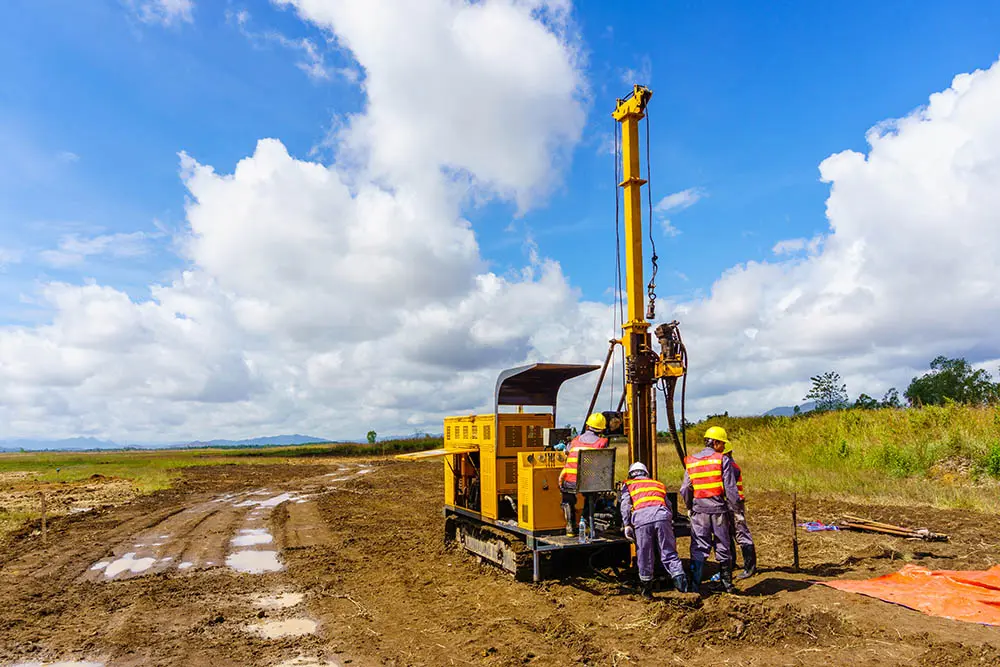
At Inch-On, the Ultrasonic Test process begins with a thorough assessment of the material or structure. Technicians select the appropriate testing method based on the type of material, expected defects, and project requirements. Field inspections are conducted using portable equipment, while laboratory tests leverage advanced apparatus for highly precise analysis.
Every Ultrasonic Test result is documented and interpreted by trained professionals, providing clear reports with actionable recommendations. Clients receive detailed feedback on defect location, size, and potential impact on structural performance. This comprehensive approach ensures confidence in construction decisions, compliance with standards, and long-term structural integrity.
Takeaway
Performing an Ultrasonic Test is essential for maintaining the safety, durability, and reliability of construction materials. Inch-On Materials Testing Laboratory offers professional services that detect hidden defects, support compliance with international standards, and prevent costly structural failures. Contractors, engineers, and developers who rely on Ultrasonic Test enjoy confidence that every material meets stringent quality standards and that every project is built on a foundation of safety.
Frequently Asked Questions (FAQ)
What is an Ultrasonic Test?
An Ultrasonic Test is a non-destructive testing method that uses high-frequency sound waves to detect internal defects, cracks, or voids in materials such as concrete, steel, and piles.
How does Ultrasonic Test improve safety?
By identifying hidden defects before they become critical, Ultrasonic Test prevents structural failures, ensuring the safety of buildings, bridges, and other infrastructure.
Is Ultrasonic Test suitable for all construction materials?
Yes. Ultrasonic Test is effective for concrete, metals, welds, and some composite materials, making it versatile for a wide range of applications.
How often should Ultrasonic Test be performed?
Frequency depends on material type, usage, and regulatory requirements. Critical structures often undergo periodic Ultrasonic Test inspections as part of preventive maintenance.
Does Ultrasonic Test damage the material?
No. Ultrasonic Test is non-destructive, meaning the material remains intact and fully usable after testing.
Why choose Inch-On Materials Testing Laboratory for Ultrasonic Test?
Inch-On provides accredited, independent testing services with advanced equipment, experienced technicians, and compliance with ASTM, AASHTO, and DPWH-BRS standards.