Market Context of Virtual Sales Closers
The rise of virtual sales closers reflects a major shift in how modern businesses approach revenue generation. Companies are no longer dependent on traditional in-person sales teams to drive high-value conversions. Instead, digital-first operations and remote communication tools have made it possible to close deals from anywhere in the world. This transformation has been fueled by the rapid expansion of online businesses, especially in SaaS, coaching, consulting, and e-learning industries. Buyers today are also more comfortable making high-value purchasing decisions over video calls and digital platforms.
Another key driver is the globalization of talent, which allows companies to access experienced sales professionals without geographic limitations. Businesses are now prioritizing performance-based roles over location-based hiring. This has created a strong demand for skilled closers who can operate independently while maintaining consistent results. As remote work becomes a permanent part of business culture, virtual sales closers have become essential revenue contributors.
The shift is also influenced by customer behavior changes, where prospects expect faster responses and personalized engagement. Traditional sales cycles are being replaced with streamlined digital funnels supported by automation and human closers. Companies that adopt this hybrid model often see improved efficiency and higher conversion rates. This evolution is reshaping how sales teams are structured and managed globally.
What Virtual Sales Closers Do in Modern Sales Operations
Virtual sales closers play a critical role in the final stage of the sales process, where leads are converted into paying clients. They typically receive qualified prospects from marketing teams or appointment setters. Their responsibility is to conduct structured conversations that identify needs, present solutions, and guide prospects toward a purchasing decision. Unlike entry-level sales roles, their focus is not on cold outreach but on closing warm or highly qualified leads.
These professionals rely heavily on communication skills and structured sales frameworks to guide conversations effectively. They must be able to quickly understand client pain points and align them with the offered solution. This requires a balance of empathy, persuasion, and strategic thinking. Their role is often the most revenue-sensitive part of the entire funnel.
They also manage objections in real time, addressing concerns related to price, timing, or value perception. Instead of pushing aggressively, they use consultative selling techniques to build trust. Their success is measured by conversion rates, deal size, and consistency in performance. Many companies integrate virtual sales closers directly into CRM systems to ensure full visibility of the pipeline.
Core Skills and Traits of High-Performing Virtual Sales Closers
High-performing virtual sales closers possess a unique blend of interpersonal and analytical skills. Strong communication ability is essential because all interactions happen remotely through video calls or phone conversations. They must be able to build trust quickly without physical presence, which requires clarity, tone control, and confidence. Emotional intelligence is equally important, as understanding buyer psychology helps guide conversations more effectively.
These professionals are also highly disciplined and structured in their approach to managing pipelines. They track follow-ups, monitor deal progress, and maintain consistency in daily activities. Without in-person supervision, self-management becomes a critical success factor. They are also adaptable, often working across different industries and offer types.
A key trait is the ability to listen actively rather than dominate conversations. This allows them to uncover deeper needs and position solutions more effectively. They also demonstrate resilience, as rejection is a natural part of sales. Over time, they refine their techniques through feedback and performance analysis.
Key skills often include:
- Advanced objection handling techniques
- Strong CRM and pipeline management ability
- Consultative and solution-based selling approach
- High emotional intelligence and empathy
- Confidence in remote communication environments
- Ability to close high-ticket offers consistently
How Virtual Sales Closers Fit Into Modern Sales Funnels
Virtual sales closers are positioned at the bottom of the sales funnel where conversion decisions are made. They work closely with marketing teams and lead generation systems to ensure seamless handoffs. Once a lead is qualified, the closer steps in to guide the final decision-making process. This alignment ensures that no opportunity is lost due to poor communication or delayed follow-up.
Their role is closely integrated with automation systems that nurture leads before they reach the closing stage. Marketing teams generate awareness, setters schedule appointments, and closers finalize the sale. This structured approach improves efficiency and reduces friction in the buyer journey. It also allows each role to specialize in their area of expertise.
Timing is critical in this process because prospects often evaluate multiple options simultaneously. Virtual closers must respond quickly and maintain engagement throughout the decision phase. Follow-up strategies also play a major role in maintaining momentum. When executed properly, this system significantly increases conversion rates and revenue predictability.
Industries That Benefit Most from Virtual Sales Closers
Many industries have adopted virtual sales closers as part of their core revenue strategy. Online education and coaching businesses are among the biggest users due to their high-ticket program structures. These businesses rely heavily on persuasive conversations to convert interested prospects into paying clients. SaaS companies also benefit from remote closers, especially in enterprise-level deals that require consultative selling.
Consulting firms and B2B service providers often use virtual closers to handle complex sales conversations. These deals typically involve longer sales cycles and higher trust requirements. E-commerce brands selling premium products also use closers to increase conversion rates for high-value purchases. Real estate investment firms and financial advisory companies rely on closers to explain value propositions clearly and build trust remotely.
Industries benefiting most include:
- Online coaching and digital education platforms
- SaaS and subscription-based software companies
- B2B consulting and service providers
- High-ticket e-commerce brands
- Real estate investment companies
- Financial services and advisory firms
Benefits of Hiring Virtual Sales Closers
Hiring virtual sales closers offers significant operational and financial advantages for modern businesses. One of the primary benefits is reduced overhead costs compared to maintaining in-house sales teams. Companies can access experienced professionals without investing in physical office space or long-term employment contracts. This flexibility allows businesses to scale quickly based on demand.
Another advantage is access to a global talent pool, which increases the likelihood of finding highly skilled closers. Businesses are no longer restricted by geography when building sales teams. This also allows companies to operate across different time zones, improving responsiveness to leads.
Virtual sales closers also help improve scalability by handling larger volumes of leads without compromising quality. Their specialized focus on closing allows marketing teams to focus on lead generation and nurturing. This separation of responsibilities creates a more efficient revenue system overall.
Challenges and Misconceptions About Virtual Sales Closers
Despite their effectiveness, virtual sales closers are often misunderstood. One common misconception is that remote closers are less effective at building relationships. In reality, many of them excel at creating rapport through structured communication techniques. Another misconception is that closing remotely reduces trust, when in fact digital-first buyers are already comfortable with online interactions.
Challenges do exist, particularly around communication across time zones and cultural differences. Misalignment between marketing and sales teams can also impact performance. Lead quality plays a major role in determining success, and poor-quality leads can limit results regardless of skill level.
Some businesses also underestimate the importance of training and onboarding. Without proper systems in place, performance may vary significantly. However, these challenges can be mitigated with structured processes and clear expectations.
Tools and Technology Used by Virtual Sales Closers
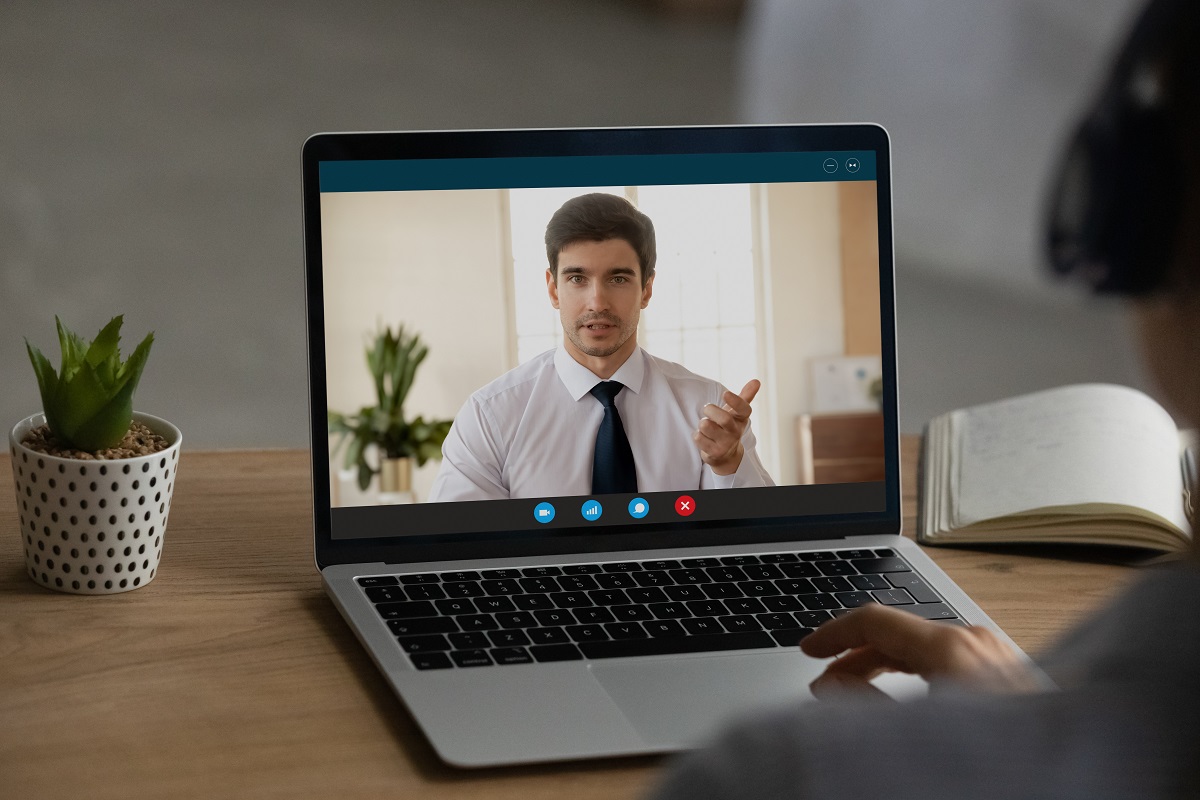
Technology plays a major role in enabling virtual sales closers to perform effectively. Customer relationship management systems are essential for tracking leads, managing pipelines, and monitoring deal stages. Video conferencing platforms allow closers to engage prospects in real-time conversations that mimic in-person interactions.
Call recording tools are frequently used to analyze performance and improve techniques. AI-powered lead scoring systems help prioritize high-value prospects. Automation tools also support follow-ups and appointment scheduling, reducing manual workload.
Common tools include:
- CRM platforms for pipeline management
- Video conferencing software for remote calls
- Call tracking and recording systems
- AI-driven lead qualification tools
- Automated email and messaging platforms
- Calendar scheduling integrations
Hiring Criteria for Evaluating Virtual Sales Closers
Selecting the right virtual sales closers requires a structured evaluation process. Businesses often prioritize candidates with proven experience in high-ticket environments. The ability to communicate value clearly is essential, especially in complex sales scenarios. Strong objection-handling skills are also a key requirement.
Performance-based assessments, such as mock sales calls, are commonly used during hiring. These simulations help evaluate real-time thinking and communication ability. Cultural alignment is also important to ensure smooth collaboration with internal teams.
Reference checks and performance history reviews provide additional insights into consistency and reliability. Businesses should also evaluate adaptability, especially if the role involves multiple industries or offer types. The right closer should be able to integrate quickly into existing systems.
Training and Onboarding Process for Virtual Sales Closers
Effective onboarding is critical for maximizing performance. New virtual sales closers typically undergo product training to understand the offer in detail. This includes learning about target audiences, value propositions, and competitive positioning. Script development is also part of the training process, though flexibility in communication is encouraged.
Role-playing exercises are often used to simulate real sales scenarios. These help closers refine objection handling and improve confidence. CRM training ensures they can manage pipelines effectively from day one. Continuous feedback loops are also implemented to support ongoing improvement.
Performance tracking is essential during onboarding to measure early results. Clear KPIs help align expectations and provide direction. Over time, closers become fully integrated into the sales ecosystem.
Compensation Models for Virtual Sales Closers
Compensation structures for virtual sales closers vary depending on business models. Many roles are commission-based, rewarding performance directly. This aligns incentives with revenue generation and encourages high performance. Some companies offer hybrid models that include base pay plus commission for stability.
Tiered commission structures are also common, where higher performance leads to increased earnings. Performance bonuses may be included for exceeding targets. Retainer agreements are sometimes used in long-term partnerships.
These flexible models make the role attractive to experienced sales professionals while allowing businesses to manage costs efficiently.
Global Demand and Remote Sales Opportunities
The demand for virtual sales closers continues to grow across global markets. Businesses are increasingly adopting remote sales structures to reach international customers. High-growth digital industries are driving much of this demand. Remote closing roles are also becoming more attractive due to flexibility and earning potential.
Time zone differences are now seen as an advantage rather than a limitation. Companies can maintain continuous sales operations across multiple regions. This has created new opportunities for professionals seeking remote work in sales.
Service Availability Across Global Markets
Virtual sales closing services are available globally, supporting businesses in major economic regions. Strong demand exists in the United States, United Kingdom, Canada, Australia, United Arab Emirates, and Singapore. These markets are highly active in digital business expansion and high-ticket sales environments.
Global accessibility allows companies to scale faster and serve customers across multiple regions. It also enables continuous sales coverage without geographic limitations. This global model supports both startups and established enterprises seeking growth.
Best Practices for Maximizing Conversion Rates with Virtual Sales Closers
Maximizing performance requires strong alignment between marketing and sales teams. Clear lead qualification criteria help ensure that only high-quality prospects reach closers. Structured sales frameworks improve consistency across conversations. Regular training sessions help refine skills and improve results.
Data analysis is also important for identifying patterns in successful deals. Follow-up strategies must be precise and timely to maintain engagement. Pipeline discipline ensures that no opportunities are lost due to inactivity.
Future Trends in Virtual Sales Closing
The future of virtual sales closers is closely tied to advancements in technology. AI-driven insights will increasingly support decision-making and lead prioritization. Automation will continue to handle repetitive tasks, allowing closers to focus on high-value conversations.
Hybrid models combining human closers and AI assistants are expected to grow. Personalization at scale will become a major focus for sales teams. Demand for flexible, on-demand sales talent is also expected to increase significantly.
Frequently Asked Questions About Virtual Sales Closers
Virtual sales closers are professionals who specialize in converting qualified leads into paying customers through remote communication channels. They typically work in high-ticket environments where personalized selling is required. Their role differs from general sales representatives because they focus primarily on closing deals rather than prospecting.
Many industries use virtual sales closers, including SaaS, coaching, consulting, and financial services. Compensation often depends on performance, with commission-based models being common. They use CRM systems, video conferencing tools, and automation platforms to manage their work.
Businesses measure performance through conversion rates, revenue generated, and consistency in closing deals. These professionals can work across different time zones and global markets, making them highly adaptable in modern sales environments.
Takeaway
Virtual sales closers have become a foundational part of modern revenue systems, enabling businesses to scale efficiently across global markets while maintaining high conversion performance through specialized remote expertise.