Working above ground level demands more than skill and experience—it requires dependable fall protection that keeps workers safe throughout every task. A Horizontal Lifeline is one of the most effective safety systems for protecting employees who need to move across elevated work areas without disconnecting from their fall protection equipment. From construction sites and industrial facilities to warehouses and rooftop maintenance projects, this system helps minimize fall risks while improving mobility and productivity. As safety regulations continue to evolve, more organizations are investing in Horizontal Lifeline systems to create safer work environments and reduce workplace incidents. Understanding how these systems function and why they are important can help businesses make informed decisions about worker protection. Whether you’re responsible for safety planning or purchasing fall protection equipment, learning about Horizontal Lifeline systems is an important step toward building a safer workplace. This guide explains the key features, benefits, applications, and maintenance practices that make these systems an essential part of modern fall protection.
What Is a Horizontal Lifeline?
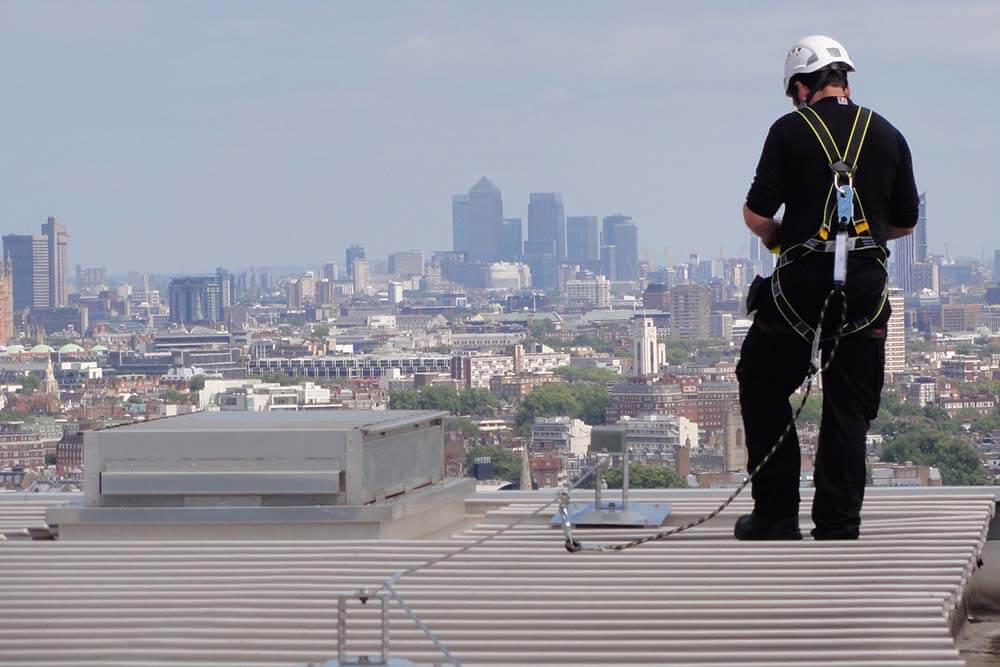
A Horizontal Lifeline is a fall protection system that allows workers to remain securely connected while traveling horizontally across an elevated work area. Instead of relying on a single anchor point, the system stretches between multiple anchors, creating a continuous line that supports safe movement. Workers attach their harnesses to the lifeline using approved connectors, allowing them to complete their tasks without repeatedly disconnecting and reconnecting.
The system is designed to reduce the likelihood of falls while improving efficiency on the job. It works alongside other fall protection equipment, including full-body harnesses, shock-absorbing lanyards, and self-retracting lifelines. A properly engineered Horizontal Lifeline distributes fall forces across its anchor points to help protect both the worker and the supporting structure. This design makes it an ideal solution for projects that require employees to cover long distances while working at height. By providing continuous protection, a Horizontal Lifeline supports safer and more productive work environments across many industries.
How a Horizontal Lifeline System Functions
The operation of a Horizontal Lifeline is straightforward but carefully engineered to maximize worker safety. The system begins with strong anchor points installed on structural elements capable of supporting the required loads. Between these anchors is a cable or rigid rail that serves as the primary travel path for workers. A connector attached to the worker’s harness moves along this path as the employee performs various tasks.
If an unexpected fall occurs, the system absorbs and distributes the forces generated during the fall. Energy absorbers help reduce the impact placed on both the worker and the supporting structure. Proper cable tension and anchor spacing are critical because they directly affect system performance. Many installations also include intermediate supports that allow longer spans while maintaining smooth movement. Every component must be compatible and installed according to engineering specifications to ensure the Horizontal Lifeline delivers dependable fall protection throughout its service life.
Benefits of Using a Horizontal Lifeline
A Horizontal Lifeline offers significant advantages for organizations that regularly perform elevated work. One of the biggest benefits is continuous protection, allowing workers to remain connected as they move across roofs, platforms, bridges, or industrial structures. Eliminating frequent reconnections reduces interruptions and helps workers stay focused on their responsibilities. This improved mobility often results in greater efficiency without sacrificing safety.
Another important benefit is the reduction of workplace accidents. Falls remain one of the leading causes of serious injuries in many industries, making reliable fall protection a necessity rather than an option. A Horizontal Lifeline helps organizations minimize these risks while supporting compliance with workplace safety regulations. Companies also benefit financially by reducing accident-related expenses, project delays, and equipment damage. Investing in dependable fall protection demonstrates a commitment to employee well-being, which can improve morale and strengthen workplace safety culture over time.
Industries That Depend on Horizontal Lifeline Systems
Many industries rely on Horizontal Lifeline systems because employees regularly work in elevated locations. Construction companies install these systems on commercial buildings, bridges, and large infrastructure projects where continuous movement is required. Roofing contractors depend on Horizontal Lifeline systems to safely install, repair, and inspect roofing materials without exposing workers to unnecessary fall hazards.
Manufacturing facilities use Horizontal Lifeline systems during equipment maintenance and inspections performed on elevated machinery or platforms. Utility companies install them at power plants, substations, and renewable energy facilities to protect maintenance personnel. Warehouses also benefit when workers access overhead storage systems or perform maintenance above the production floor. Transportation, aviation, marine, and telecommunications industries similarly rely on Horizontal Lifeline solutions to improve safety while maintaining operational efficiency. Their versatility makes them suitable for nearly any workplace where fall hazards are present.
Types of Horizontal Lifeline Systems
There are several types of Horizontal Lifeline systems designed to meet different operational needs. Permanent systems are installed as long-term safety solutions for facilities requiring regular maintenance or inspection work. These systems provide dependable protection over many years while minimizing repeated installation costs. Temporary systems are portable and commonly used on construction projects or short-term maintenance activities where flexibility is essential.
Cable-based Horizontal Lifeline systems are among the most widely used because they offer durability, long-span capability, and cost-effective performance. Rail-based systems provide smoother movement and often require less maintenance, making them ideal for facilities with frequent worker traffic. The right choice depends on structural design, work environment, user capacity, and operational requirements. Consulting qualified fall protection specialists ensures organizations select the most appropriate Horizontal Lifeline system for their specific applications. Proper planning leads to improved safety and long-term value.
Main Components of a Horizontal Lifeline
Every Horizontal Lifeline system consists of carefully designed components that work together to provide reliable fall protection. Anchor points serve as the foundation, transferring fall arrest forces into the supporting structure. The cable or rail forms the travel path that allows workers to move freely while remaining securely attached. Connectors enable safe attachment between the worker’s harness and the lifeline system.
Energy absorbers reduce the impact generated during a fall, helping protect both users and structural elements. Turnbuckles maintain proper cable tension while tension indicators verify that the system remains correctly adjusted. Intermediate supports strengthen longer spans without restricting worker movement. Full-body harnesses distribute fall forces safely across the user’s body, reducing injury risk. Self-retracting lifelines or shock-absorbing lanyards complete the system by maintaining a secure connection throughout the work process. Together, these components create a dependable Horizontal Lifeline capable of supporting safe operations.
Choosing the Right Horizontal Lifeline
Selecting the best Horizontal Lifeline requires evaluating several important factors before installation begins. The type of work being performed determines the level of mobility and protection required. The number of users who will access the system simultaneously influences engineering calculations and equipment selection. Structural strength must also be assessed to ensure anchor points can safely support anticipated loads.
Environmental conditions should never be overlooked. Outdoor systems may require corrosion-resistant materials to withstand moisture, chemicals, and changing temperatures. Businesses should also consider future maintenance needs and expansion plans when selecting a Horizontal Lifeline. Equipment compatibility is equally important because all fall protection components must function together properly. Working with experienced professionals helps ensure the system meets applicable regulations while providing dependable long-term performance. Careful planning leads to a safer and more efficient investment.
Best Practices for Installation
Successful installation begins with a detailed hazard assessment that identifies work locations, fall hazards, and structural support requirements. Every anchor point should be installed on a surface capable of resisting the forces generated during fall arrest. Following manufacturer guidelines helps maintain certification and ensures every component performs as intended. Professional engineering reviews further improve installation quality and overall system reliability.
Proper cable tension is another essential factor because incorrect adjustment may reduce system effectiveness. Sufficient fall clearance beneath workers must be verified before the Horizontal Lifeline is placed into service. Every connected harness, lanyard, and connector should be inspected for compatibility with the system. Functional testing confirms that all components operate together safely before workers begin using the equipment. Thorough documentation supports future inspections and maintenance while helping organizations maintain consistent safety standards.
Inspection and Maintenance Requirements
Routine inspection plays an important role in maintaining the effectiveness of a Horizontal Lifeline. Workers should visually inspect the system before every use to identify damaged cables, loose hardware, corrosion, or signs of excessive wear. Qualified inspectors should also perform scheduled evaluations according to manufacturer recommendations and workplace safety regulations. These detailed inspections help identify problems that may not be immediately visible during daily use.
Maintenance records should document all inspections, repairs, and component replacements. Damaged equipment should never remain in service because even minor defects may compromise worker safety. Anchor points, connectors, and energy absorbers deserve special attention during inspections because they experience significant forces during fall arrest events. Maintaining proper cable tension also contributes to consistent system performance. Regular maintenance helps extend the lifespan of the Horizontal Lifeline while ensuring dependable protection whenever employees work at height.
Common Errors That Reduce Safety
Although a Horizontal Lifeline provides dependable fall protection, improper use can reduce its effectiveness. One common mistake is exceeding the system’s maximum user capacity, which increases structural loads beyond intended design limits. Another frequent problem involves using incompatible connectors or harnesses that have not been approved for the specific system. Skipping routine inspections may also allow damaged components to remain in service unnoticed.
Improper installation is another significant concern because incorrect anchor placement or cable tension can compromise fall protection performance. Workers should receive comprehensive training before using any Horizontal Lifeline to understand equipment limitations and safe operating procedures. Unauthorized modifications should never be made because even small alterations may affect system integrity. Organizations that emphasize ongoing training and routine inspections significantly reduce the likelihood of workplace incidents. Safe work habits combined with properly maintained equipment create stronger overall protection.
How a Horizontal Lifeline Strengthens Workplace Safety
A Horizontal Lifeline supports much more than regulatory compliance. It helps create a workplace where employees feel protected and confident while performing demanding tasks. Workers who trust their fall protection systems are often more productive because they can focus on completing their responsibilities rather than worrying about unnecessary risks. Reliable safety equipment also demonstrates that an organization values its workforce.
Strong safety programs contribute to fewer accidents, reduced downtime, and lower operational costs. Managers can improve safety culture by combining dependable Horizontal Lifeline systems with regular training, inspections, and employee engagement. Continuous investment in fall protection reinforces accountability throughout every level of the organization. As workplace safety becomes an ongoing priority, businesses often experience improved morale, greater operational efficiency, and stronger long-term performance. A commitment to high-quality fall protection ultimately benefits both employees and the organization as a whole.
Frequently Asked Questions (FAQ)
What is a Horizontal Lifeline?
A Horizontal Lifeline is a fall protection system that allows workers to move horizontally while remaining securely attached to an approved anchorage system.
Where are Horizontal Lifeline systems commonly installed?
They are commonly installed on rooftops, construction projects, bridges, industrial facilities, warehouses, aircraft maintenance areas, and utility infrastructure.
Can more than one worker use a Horizontal Lifeline?
Yes. Many systems are engineered to accommodate multiple users, provided they are designed and rated for the intended capacity.
How often should a Horizontal Lifeline be inspected?
Workers should inspect it before every use, while qualified professionals should perform periodic inspections according to manufacturer recommendations and applicable safety regulations.
Is professional installation necessary?
Yes. Professional installation helps ensure the system meets engineering requirements, complies with safety standards, and performs correctly during a fall event.
What equipment is used with a Horizontal Lifeline?
Common equipment includes full-body harnesses, shock-absorbing lanyards, self-retracting lifelines, connectors, and approved anchor points.
How long can a Horizontal Lifeline system remain in service?
The lifespan depends on usage, environmental conditions, maintenance practices, and manufacturer guidelines. Routine inspections help determine when replacement is necessary.
Why is training important for Horizontal Lifeline users?
Training teaches workers how to properly inspect equipment, connect to the system, recognize hazards, and respond safely during emergencies.
Takeaway
A Horizontal Lifeline is a valuable investment for organizations that prioritize worker safety and efficient operations at height. By providing continuous fall protection, supporting greater mobility, and helping businesses comply with workplace safety requirements, these systems reduce risks while improving productivity. Selecting the right equipment, ensuring professional installation, performing regular inspections, and providing ongoing employee training all contribute to dependable long-term performance. Organizations that integrate a well-designed Horizontal Lifeline into their fall protection strategy create safer workplaces where employees can perform their duties with greater confidence and security.