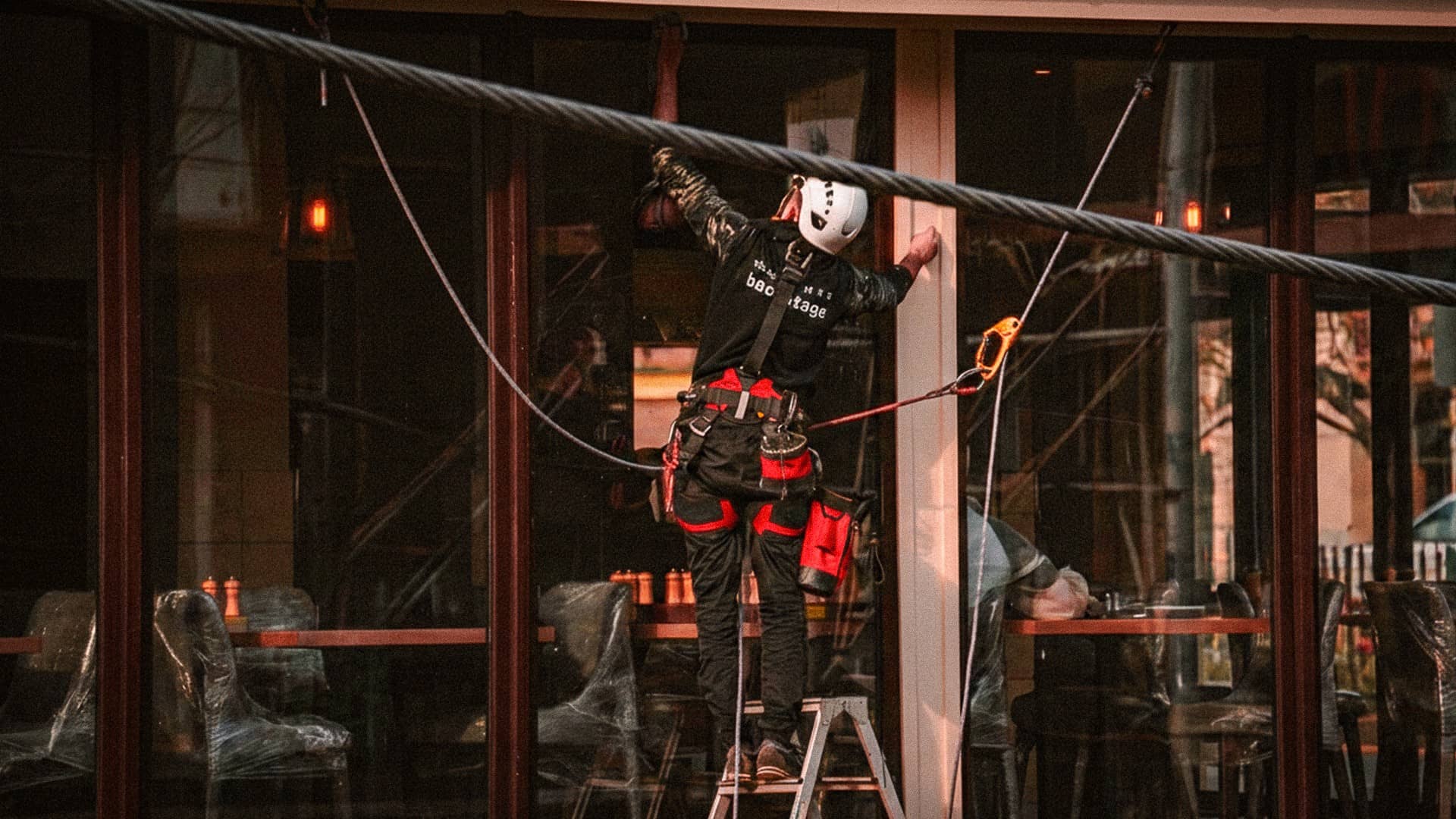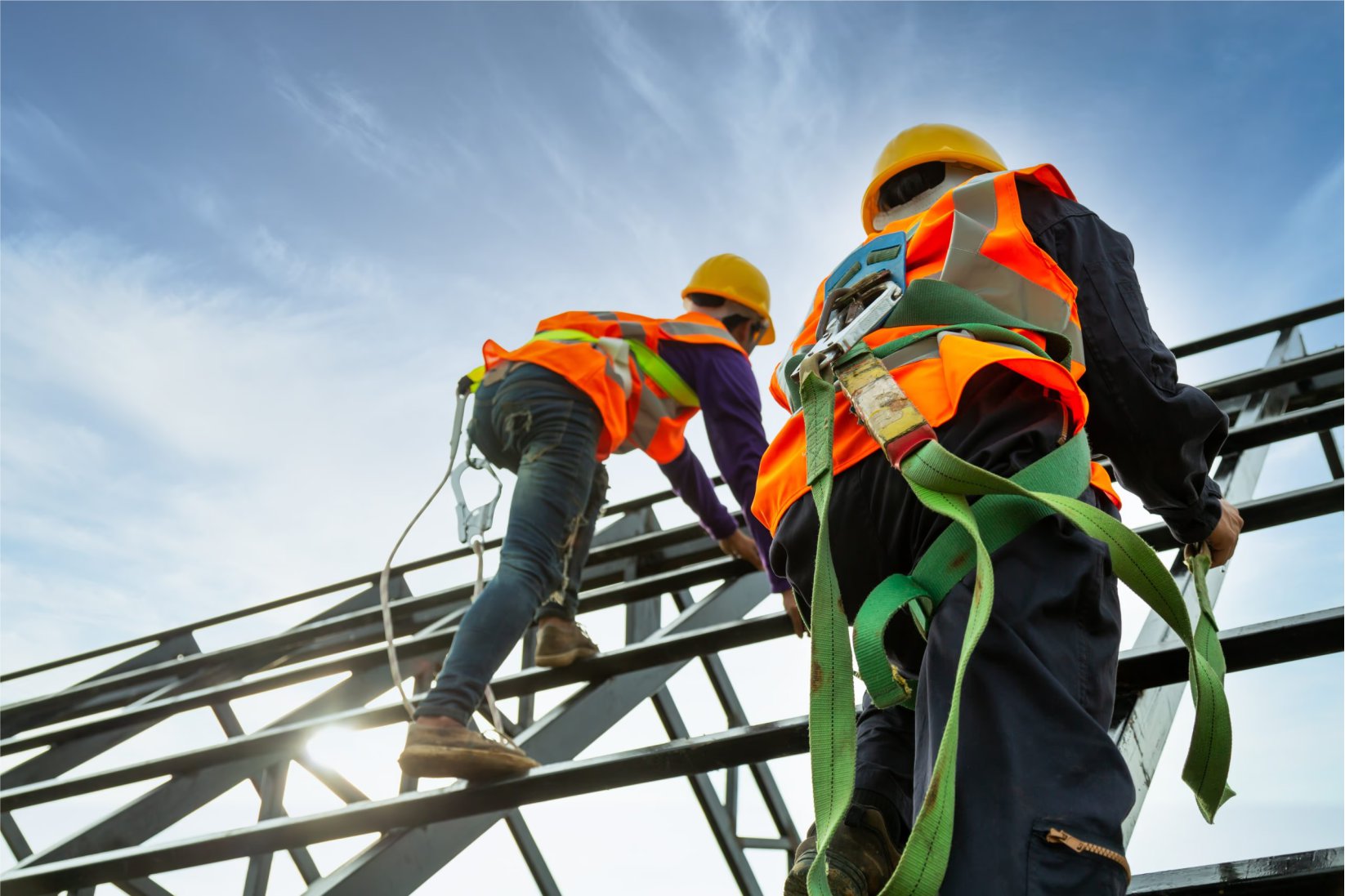
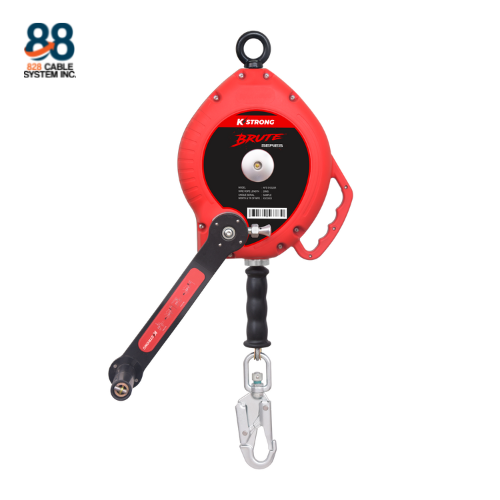
Working at height requires more than a safety harness and a basic lanyard. Workers need equipment that allows them to move efficiently while maintaining reliable fall protection throughout the task. A self-retracting lanyard is designed to provide this combination of mobility and protection by automatically adjusting the length of its lifeline as the worker moves. For construction sites, industrial facilities, maintenance operations, and other elevated work environments, choosing the right equipment can make a significant difference in workplace safety. Companies searching for a self-retracting lanyard Philippines solution should understand how these devices operate and what factors affect their suitability. Product specifications, anchorage arrangements, fall clearance, work conditions, and inspection requirements all need careful consideration. Understanding these factors helps employers and workers select equipment that matches the actual demands of the job.
Understanding Self-Retracting Lanyards in the Philippines
A self-retracting lanyard, commonly called an SRL, is a personal fall protection device that uses a lifeline capable of extending and retracting as the user moves. Unlike a conventional fixed-length lanyard, the lifeline does not remain at one predetermined length throughout the work activity. When the worker moves away from the anchorage point, the lifeline extends to provide additional working range. When the worker moves closer to the anchor, the lifeline retracts automatically to reduce unnecessary slack. The device is also designed to respond to sudden movement associated with a fall by activating its locking mechanism. This function can help limit the distance a worker falls when the equipment is properly selected, installed, and used. For Philippine workplaces where employees regularly perform elevated construction, maintenance, inspection, and industrial tasks, an SRL can provide useful freedom of movement while supporting a properly designed fall protection system.
How a Self-Retracting Lanyard Works
The operating principle of an SRL is relatively straightforward, although the internal mechanism is engineered for controlled and reliable movement. Inside the housing is a lifeline connected to a spring-loaded or similar retracting mechanism. As the worker moves away from the anchorage, the lifeline pays out gradually instead of creating a large amount of slack. When the worker changes direction or moves back toward the anchorage, the mechanism pulls the lifeline back into the housing. If the worker experiences sudden acceleration, the internal locking mechanism is designed to engage and stop the lifeline from continuing to extend. Depending on the product design, the device may also incorporate energy-absorbing technology to help manage arrest forces. Workers should never assume that every SRL operates identically because locking behavior, allowable applications, capacity, and installation requirements vary by manufacturer and model. Following the manufacturer’s instructions is therefore essential for ensuring that the equipment performs as intended.
Key Components of a Self-Retracting Lanyard
A self-retracting lanyard contains several components that work together as part of a personal fall protection system. The lifeline may be manufactured from webbing, synthetic materials, or cable, depending on the product and intended application. The housing protects the internal retracting and locking mechanism from normal workplace exposure. A connector, such as a hook or carabiner, allows the device to connect to an approved harness attachment point or anchorage arrangement. Some models include swiveling components that help minimize lifeline twisting as the worker changes position. Energy-absorbing components may also be incorporated into the system to help manage forces during a fall arrest event. Each component has a specific purpose, so modifying, replacing, or combining components without manufacturer approval can affect the overall performance of the system. Regularly checking the lifeline, housing, connectors, stitching, labels, and other visible components can help identify problems before the equipment is used.
Why Choose a Self-Retracting Lanyard in the Philippines?
One of the main advantages of an SRL is the freedom of movement it can provide during elevated work. A conventional fixed-length lanyard may leave excess slack that can interfere with movement or increase the distance involved in a potential fall. An SRL automatically adjusts the lifeline to the worker’s position, allowing the user to move within the device’s approved operating range. This can be particularly useful when workers need to move between different areas of a structure or perform several tasks without constantly repositioning their equipment. The retracting mechanism can also help keep the lifeline more controlled during normal movement. However, greater mobility does not mean that the worker can ignore anchorage position, fall clearance, or other safety requirements. Organizations selecting a self-retracting lanyard Philippines product should evaluate the equipment based on the actual work environment and the manufacturer’s approved application rather than choosing a model based solely on convenience.
Common Applications for Self-Retracting Lanyards
Self-retracting lanyards can be used in many situations where workers are exposed to fall hazards and require controlled movement. Construction workers may use suitable SRLs while working around elevated structures, platforms, or other areas where fall protection is required. Industrial facilities may use these devices during maintenance, inspection, equipment servicing, and elevated access activities. Roofing work can also involve fall hazards, although the selected SRL must be specifically suitable for the conditions and anchorage arrangement involved. Maintenance personnel may benefit from the mobility of an SRL when working around elevated machinery, structures, or building systems. Utility and infrastructure operations can also involve elevated locations where properly selected fall protection equipment is necessary. The specific application always matters because an SRL designed for one configuration may not be approved for another. Workers and employers should therefore verify the product’s intended use before deploying it on a particular job.
Types of Self-Retracting Lanyards to Consider
Not every self-retracting lanyard is designed for exactly the same purpose. Compact SRLs are often designed to provide a relatively lightweight and portable option for applications where workers need frequent movement. Larger SRLs may offer longer lifelines and can be appropriate for applications requiring greater working distances. Some products are specifically designed for particular edge-related or leading-edge applications, while others are intended primarily for approved vertical use. The difference is important because a standard SRL should not automatically be used near an edge simply because it has a retractable lifeline. The manufacturer must specifically approve the equipment for the intended configuration and hazards. Buyers should also review maximum capacity, lifeline length, connector type, anchorage requirements, and environmental limitations. Selecting the appropriate type requires understanding the job rather than simply choosing the most expensive or longest model available.
Factors to Consider When Buying a Self-Retracting Lanyard in the Philippines
The first factor to consider when purchasing an SRL is the type of work the equipment will support. Lifeline length should correspond to the required working range without unnecessarily adding equipment that may not be appropriate for the application. The worker’s weight, including clothing, tools, and other carried equipment, should be checked against the manufacturer’s approved capacity. Anchorage location is another important consideration because the position of the anchor can affect movement, clearance, and overall system performance. Environmental conditions should also be evaluated, especially when the equipment may be exposed to moisture, chemicals, dust, heat, corrosive materials, or other hazards. Buyers should review product markings, manufacturer documentation, applicable standards, and inspection requirements before making a purchase. A reputable supplier should be able to provide clear technical information so that the buyer can determine whether the product is appropriate for the intended workplace.
Understanding Fall Clearance for SRL Use
Fall clearance refers to the amount of unobstructed space required below a worker to help prevent contact with a lower surface during a fall. Having a self-retracting lanyard does not eliminate the need to evaluate fall clearance. Several factors can affect the required clearance, including the anchorage position, worker height, equipment design, lifeline deployment, energy absorption, harness movement, and potential obstruction below the worker. The manufacturer’s instructions should provide the applicable clearance requirements for the specific device and configuration. Workers should never assume that a short lifeline automatically means that very little clearance is required. The surrounding work area should also be assessed for platforms, beams, machinery, structures, or other objects that could create additional hazards. Proper planning before work begins can help identify clearance problems and determine whether a different anchorage or fall protection arrangement is needed.
Proper Use of a Self-Retracting Lanyard
Using an SRL correctly begins with inspecting the equipment before each use. Workers should check the lifeline, housing, connectors, labels, stitching, and other components for visible damage or conditions that could affect safe operation. The device should be connected only to an anchorage point and harness attachment point that are approved for the intended application. Workers should avoid deliberately creating excessive slack in the lifeline because the equipment is designed to manage the lifeline automatically during normal movement. The lifeline should also be protected from conditions that could damage it or interfere with its operation. Users should never modify the device, open the housing, or attempt unauthorized repairs to the internal mechanism. Proper training is equally important because even high-quality equipment cannot provide its intended protection when workers do not understand how to inspect, connect, position, and use it.
Self-Retracting Lanyard Inspection and Maintenance
Regular inspection is an essential part of maintaining a reliable fall protection system. Before use, workers should look for cuts, fraying, burns, chemical damage, corrosion, broken stitching, deformation, or other visible problems. The hooks and connectors should be checked to ensure they operate correctly and show no obvious damage. The housing should also be inspected for cracks, excessive wear, missing components, or other conditions that could affect the device. Where applicable, workers should verify that the locking mechanism functions according to the manufacturer’s inspection procedure. Equipment that has arrested a fall should be removed from service and handled according to the manufacturer’s evaluation and replacement requirements. Cleaning and storage should also follow the manufacturer’s instructions because improper cleaning products, excessive moisture, heat, or unsuitable storage conditions can damage equipment over time.
Common Mistakes to Avoid When Using an SRL
One common mistake is selecting an SRL without first determining how and where it will be used. A device that works well for one vertical application may not be suitable for an edge-related application or another configuration. Another frequent problem is connecting the device to an anchorage that has not been properly assessed for the intended fall protection system. Ignoring fall clearance can also create serious hazards even when the worker is wearing an approved SRL. Using equipment that has visible damage or has previously arrested a fall without proper evaluation is another unsafe practice. Workers should also avoid exceeding the manufacturer’s specified capacity or combining components that are not approved for use together. Finally, attempting to repair or modify the device without authorization can compromise internal safety mechanisms and should be avoided.
Self-Retracting Lanyard vs. Traditional Fall Arrest Lanyard
A traditional fall arrest lanyard normally has a fixed length, while an SRL uses a lifeline that extends and retracts according to the user’s movement. This difference can make an SRL more convenient for jobs that require frequent movement around an elevated work area. A fixed-length lanyard can still be appropriate for many applications, particularly when its length and anchorage arrangement are well suited to the task. An SRL can reduce unnecessary slack during normal movement, but its performance depends on the specific device, anchorage position, and approved operating configuration. Neither type should be considered automatically superior for every workplace. The correct choice depends on the hazards, working range, clearance, anchorage arrangement, and equipment specifications involved. Employers should evaluate the entire fall protection system rather than selecting equipment based only on whether it offers more mobility.
Safety Considerations for Self-Retracting Lanyards in Philippine Worksites
Philippine worksites can present a range of environmental and operational conditions that should be considered when selecting fall protection equipment. Outdoor workers may encounter rain, humidity, intense sunlight, dust, and other conditions that can affect equipment over time. Industrial workers may also encounter chemicals, oils, heat, sharp edges, or machinery that can create additional hazards. A suitable SRL should therefore be selected based on the manufacturer’s environmental limitations and approved applications. Workers should also understand how changing site conditions can affect anchorage, access routes, and fall clearance. Employers should provide appropriate training and establish procedures for responding to emergencies involving workers who experience a fall. Rescue planning is particularly important because remaining suspended in a harness after a fall can create additional risks. A properly planned fall protection program should address equipment selection, worker training, inspections, anchorage, clearance, emergency procedures, and ongoing supervision.
How to Select the Right Self-Retracting Lanyard Philippines Supplier
Choosing the right supplier is an important part of purchasing fall protection equipment. A reputable supplier should provide detailed product information rather than relying only on general marketing descriptions. Buyers should be able to identify the manufacturer, model, specifications, approved applications, capacity, and applicable documentation for the product. It is also useful to ask about inspection requirements, maintenance instructions, replacement components, and technical support. Purchasing from an established source can help reduce the risk of receiving unsuitable, counterfeit, damaged, or improperly documented equipment. Price can be a consideration, but it should not be the only factor used to evaluate fall protection equipment. Product authenticity, suitability, documentation, technical support, and compatibility with the intended work environment should receive greater attention when choosing a self-retracting lanyard Philippines supplier.
Questions to Ask Before Purchasing an SRL
Before purchasing a self-retracting lanyard, buyers should clearly identify the type of work the equipment will support. They should determine the required lifeline length and confirm the total weight of the worker with tools and equipment. The location and configuration of the intended anchorage should also be evaluated before selecting a device. Buyers should ask whether the equipment is approved for the specific application, particularly if there is potential for contact with an edge. Fall clearance requirements should be reviewed using the manufacturer’s documentation rather than relying on assumptions. Environmental conditions such as moisture, chemicals, heat, dust, and corrosive exposure should also be considered. Finally, buyers should confirm that the supplier can provide appropriate product documentation, manufacturer information, inspection instructions, and technical support.
Frequently Asked Questions About Self-Retracting Lanyards in the Philippines
What is a self-retracting lanyard?
A self-retracting lanyard is a fall protection device that uses a lifeline that automatically extends and retracts as the worker moves. The device is designed to maintain controlled lifeline tension during normal movement and activate a locking mechanism when sudden acceleration associated with a fall occurs. Its specific performance depends on the product design and approved configuration. Workers should always review the manufacturer’s instructions before using the device.
What is the main advantage of an SRL?
The primary advantage is increased mobility compared with many fixed-length lanyards. The lifeline adjusts automatically as the worker moves within the device’s approved operating range. This can help reduce unnecessary slack during normal work. However, mobility should never replace proper anchorage selection, fall clearance assessment, inspection, and training.
Can an SRL be used for all types of work at height?
No, different SRLs are designed and approved for different applications. Some models may be intended for vertical use, while others may be specifically designed for certain horizontal or leading-edge applications. The manufacturer’s instructions should be reviewed before selecting a device. The equipment must match the actual hazards and anchorage arrangement at the worksite.
How long does a self-retracting lanyard last?
There is no single service life that applies to every SRL. Lifespan can depend on the manufacturer’s specifications, frequency of use, environmental exposure, inspection results, maintenance, and overall equipment condition. Workers should follow the manufacturer’s requirements regarding inspection and service life. Equipment showing damage or other conditions that compromise its performance should be removed from service according to applicable procedures.
Can a self-retracting lanyard be used horizontally?
Some SRLs are specifically designed and approved for certain horizontal or leading-edge applications, but a standard SRL should not automatically be used in this manner. Edge exposure can introduce hazards that require equipment specifically designed for those conditions. Buyers should check the manufacturer’s approved applications before using an SRL horizontally. The anchorage and complete fall protection system must also be appropriate for the intended configuration.
How often should an SRL be inspected?
Workers should perform a pre-use inspection before using the equipment. Additional periodic inspections should be completed according to the manufacturer’s instructions and applicable workplace requirements. The inspection should cover the lifeline, housing, connectors, stitching, labels, and other relevant components. Equipment that has been subjected to a fall should be removed from service and evaluated according to the manufacturer’s procedures.
What should I do if an SRL arrests a fall?
An SRL that has arrested a fall should not simply be returned to service without following the manufacturer’s requirements. The device should generally be removed from use and identified so that it is not accidentally reused. The manufacturer or an appropriately qualified party should determine whether the equipment requires replacement or further evaluation. Workers should also review the circumstances surrounding the fall to identify hazards that may need to be addressed.
How do I choose the right self-retracting lanyard in the Philippines?
Start by identifying the work application, anchorage configuration, required working range, worker capacity, fall clearance, and environmental conditions. Then compare products based on their manufacturer specifications and approved applications. Product documentation and certification information should also be reviewed. Working with a reputable supplier can help organizations identify equipment that matches their specific workplace requirements.
Takeaway: Choosing the Right SRL for Safer Elevated Work
Selecting a self-retracting lanyard Philippines solution requires more than choosing a retractable device from a product catalog. Employers and workers need to consider the actual work environment, anchorage arrangement, required mobility, worker capacity, fall clearance, environmental exposure, and manufacturer requirements. Proper inspection is essential before every use, while periodic inspection and maintenance help keep equipment in suitable condition. Workers should receive appropriate training so they understand how to connect, inspect, operate, and store their equipment. Organizations should also establish emergency and rescue procedures for work involving fall hazards. A reputable supplier can provide product information and technical documentation that supports informed equipment selection. By treating the SRL as part of a complete fall protection system rather than an isolated piece of equipment, Philippine workplaces can make better decisions about protecting workers who perform tasks at height.