
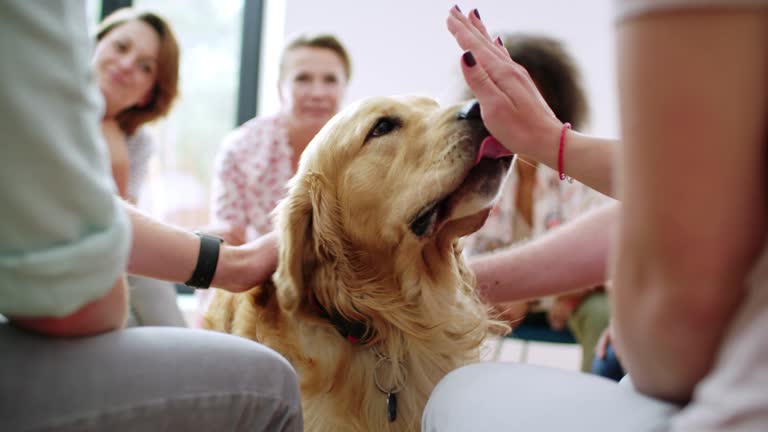
Losing a beloved pet can be one of the most emotionally challenging experiences a person can face. Pets are family members, confidants, and companions, and their loss often brings profound grief. This is where a pet loss counselor plays a crucial role. Pet loss counselor training equips professionals and compassionate individuals with the skills necessary to support pet owners through grief, helping them navigate emotions, find closure, and regain emotional balance. This specialized training combines psychological understanding, empathetic communication, and ethical guidance, ensuring counselors are fully prepared to handle sensitive situations with care and professionalism.
A pet loss counselor’s work is unique compared to general grief counseling. While grief over human loss often has more societal acknowledgment and support, pet loss grief is sometimes minimized or misunderstood. Pet loss counselors must recognize and validate this grief, addressing feelings such as guilt, anger, or depression that pet owners may experience. Their role is to create a safe space for clients to express emotions freely, process their grief, and develop coping strategies. Understanding the emotional and social importance of this work forms the foundation of any comprehensive pet loss counselor training program.
Core Skills Required for Pet Loss Counseling
The foundation of effective pet loss counseling lies in mastering a set of core skills. Active listening is essential, allowing counselors to fully understand and empathize with a client’s emotions without judgment. Emotional intelligence enables counselors to detect subtle cues of grief, manage intense sessions, and maintain professional composure. Strong communication skills help convey support and guidance clearly while ensuring that clients feel heard and respected. Handling intense grief and trauma requires specialized training to recognize complex emotional responses and guide clients appropriately. Boundaries and self-care are also critical to prevent burnout, ensuring counselors maintain their mental and emotional health while providing consistent support.
Empathy is not just about understanding feelings; it involves recognizing the unique bond between a pet and its owner. Counselors must be prepared to navigate situations involving anticipatory grief, sudden loss, or the emotional challenges of euthanasia. They should also develop skills for working with diverse clients, including cultural and social sensitivities that shape how grief is expressed. These skills are cultivated and refined through structured pet loss counselor training programs.
Overview of Pet Loss Counselor Training Programs
Pet loss counselor training programs are designed to equip learners with the knowledge and skills needed for professional practice. These programs can be completed online, in-person, or as hybrid courses, providing flexibility for busy professionals. Online courses often include video lessons, interactive modules, and virtual counseling simulations, while in-person workshops provide hands-on experience and role-playing exercises. Most programs are structured around core modules covering grief theory, counseling techniques, ethical practices, and self-care for counselors.
Training programs vary in duration, with some lasting a few weeks and others extending over several months, depending on the depth and certification requirements. Accreditation is important, as recognized programs offer credibility and professional validation. Reputable organizations offering training ensure that their curriculum aligns with psychological principles and industry standards, giving graduates the confidence to provide meaningful support to grieving pet owners. Choosing the right program involves evaluating course content, teaching methods, and the qualifications of instructors.
Curriculum Insights: What You Will Learn
A comprehensive pet loss counselor training program covers a wide range of topics that prepare students for real-world counseling scenarios. Understanding pet loss and its unique grief dynamics is central to the curriculum. Counselors learn to recognize different stages of grief, from denial and anger to acceptance, and apply techniques to guide clients through each stage. Counseling methods for one-on-one and group sessions are emphasized, along with practical strategies for building trust and rapport.
Training also focuses on supporting clients through anticipatory grief and sudden loss, helping them manage feelings of guilt, anger, or sadness. Cultural sensitivity and inclusivity are key components, ensuring counselors can work effectively with clients from diverse backgrounds. Ethical considerations are addressed to ensure confidentiality, professional boundaries, and appropriate referrals when needed. Practical exercises, role-playing, and simulated counseling sessions reinforce theoretical learning and prepare students for actual client interactions.
Certification and Professional Recognition
Certification in pet loss counseling demonstrates a counselor’s expertise, professionalism, and commitment to ethical practice. Certified counselors gain credibility with clients, veterinary practices, and other organizations in the pet care industry. Different certification levels may exist, ranging from foundational completion certificates to advanced credentials requiring clinical practice hours. Continuing education opportunities allow counselors to maintain their certification while staying updated with evolving counseling techniques and research.
Membership in professional organizations offers networking, mentorship, and professional growth opportunities. Recognition by reputable associations can also enhance a counselor’s visibility and credibility. Obtaining certification signals a dedication to excellence, ensuring clients receive high-quality support during one of life’s most challenging experiences.
Career Opportunities After Training
Pet loss counselor training opens the door to diverse career opportunities. Many counselors start private practices, offering one-on-one sessions or group support programs for grieving pet owners. Veterinary clinics, animal shelters, and pet crematoriums often employ trained counselors to support clients during difficult times. Online and virtual counseling platforms also provide flexible opportunities to reach clients remotely, expanding access to those who may not have local support resources.
Counselors can lead workshops, support groups, and educational seminars on pet grief management. Some may focus on creating resources, such as books, online courses, or webinars, to educate communities about pet loss and coping strategies. Each path allows counselors to make a meaningful impact, providing comfort, guidance, and professional expertise to those navigating the emotional journey of losing a pet.
Challenges and Rewards of Being a Pet Loss Counselor
Being a pet loss counselor is emotionally demanding but deeply rewarding. Counselors often encounter intense grief, complicated emotions, and clients experiencing trauma. To maintain effectiveness, counselors must practice self-care, establish professional boundaries, and seek supervision or peer support when needed. Navigating complex grief reactions, including prolonged or delayed mourning, requires resilience and adaptability.
Despite the challenges, counselors experience profound satisfaction in helping clients process grief, find closure, and reconnect with joy after loss. Witnessing clients regain emotional stability and honoring the memory of their pets can be personally fulfilling. Counselors develop a strong sense of purpose, knowing their work makes a meaningful difference in people’s lives.
Steps to Enroll in a Pet Loss Counselor Training Program
Enrolling in a pet loss counselor training program involves careful research and preparation. Prospective students should evaluate accredited programs and trainers to ensure quality education. Reviewing course content, costs, and schedules helps identify a program that matches personal and professional goals. Training requires emotional commitment, as students must engage deeply with grief counseling concepts and role-playing exercises.
Applications may involve submitting previous experience, references, or statements of purpose, depending on program requirements. Preparing mentally and emotionally for the program helps students gain the most from the experience. Once enrolled, students embark on a structured learning journey that combines theory, practice, and professional development.
Frequently Asked Questions (FAQ)
What qualifications do I need before enrolling in pet loss counselor training?
Most programs welcome anyone with a background in mental health, counseling, or a passion for helping others. Some advanced programs may require prior counseling experience.
How long does pet loss counselor training take?
Program duration varies, typically ranging from a few weeks for foundational courses to several months for comprehensive certification.
Can I offer counseling online after certification?
Yes, many certified counselors provide virtual sessions, which expand access to clients who cannot attend in-person.
Is prior counseling experience required?
While helpful, it is not always mandatory. Many programs provide foundational counseling skills alongside pet loss-specific training.
How much can a certified pet loss counselor earn?
Income varies based on experience, location, and work setting, ranging from part-time private practice to full-time positions in clinics or organizations.
Takeaway
Pet loss counselor training equips individuals with the essential skills, knowledge, and confidence to support grieving pet owners. The training provides practical techniques, emotional intelligence development, and ethical guidance, preparing counselors to navigate the complex emotions surrounding pet loss. Career paths for certified counselors are diverse, offering opportunities in private practice, veterinary settings, and online platforms. While emotionally demanding, this career is highly rewarding, allowing counselors to make a profound impact on clients’ lives. For anyone passionate about helping others through grief, pursuing pet loss counselor training is a meaningful and fulfilling path.