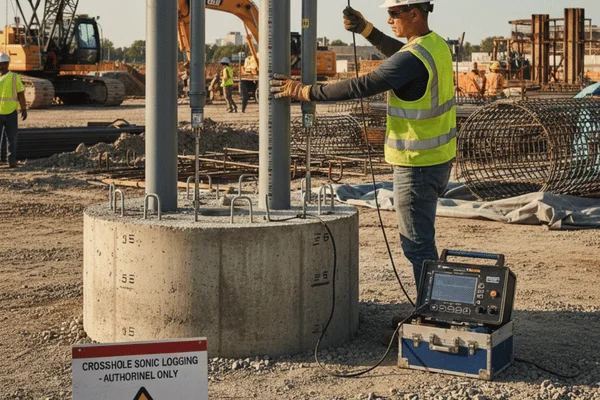
Laboratory Testing plays a crucial role in construction projects by ensuring the quality and safety of materials used in building structures. Accurate testing of soil, concrete, and other construction materials helps prevent structural failures and guarantees compliance with industry standards. Contractors, engineers, and project managers rely on Laboratory Testing to make informed decisions that protect both investments and public safety.
Inch-On Materials Testing Laboratory, accredited by the Department of Public Works and Highways – Bureau of Research and Standards (DPWH-BRS), provides specialized services for evaluating construction materials. Established in 2018, Inch-On has built a reputation as a reliable independent laboratory dedicated to quality assurance in construction projects. The laboratory strictly follows ASTM and AASHTO standards to deliver consistent and precise results for soil, concrete, and foundation materials.
Laboratory Testing not only ensures compliance with specifications but also supports the long-term durability of structures. By accurately assessing material performance before and during construction, potential risks and costly errors can be avoided.
What is Laboratory Testing?
Laboratory Testing refers to the systematic evaluation of construction materials to determine their physical and chemical properties, strength, and suitability for specific projects. Unlike field testing, which occurs directly on-site, Laboratory Testing allows for controlled conditions and precise measurements using advanced equipment.
The purpose of Laboratory Testing is to verify that materials meet project specifications, comply with industry standards, and provide reliable performance over time. It involves tests on soil, concrete, aggregates, asphalt, and other construction materials to measure parameters such as compressive strength, density, moisture content, and durability.
Laboratory Testing ensures that every element of a construction project performs as intended, preventing potential structural issues and supporting the safety of the overall design.
Importance of Laboratory Testing in Construction
Construction projects depend on the quality of materials to maintain structural integrity and safety. Laboratory Testing identifies material deficiencies early, preventing problems that could compromise the lifespan of buildings and infrastructure. Accurate testing provides confidence to engineers, architects, and contractors that materials meet required standards and perform as expected under stress.
Safety is one of the primary reasons Laboratory Testing is essential. Poor-quality soil or concrete can lead to foundation failures, cracks, and other structural problems. Laboratory Testing evaluates the properties of these materials before use, ensuring that they can withstand the loads and conditions of the construction environment.
Regulatory compliance is another critical aspect. Many construction projects in the Philippines require adherence to DPWH, ASTM, and AASHTO standards. Laboratory Testing provides documented evidence that materials comply with these standards, helping avoid legal and safety issues during and after construction.
Laboratory Testing also offers long-term cost benefits. Identifying weaknesses in materials before construction reduces the need for repairs, rework, or replacements, saving time and resources while maintaining the project schedule.
Types of Laboratory Testing Services Offered by Inch-On
Soil Testing
Soil quality directly impacts the stability of a structure. Laboratory Testing of soil involves analyzing its composition, density, moisture content, and load-bearing capacity. Inch-On conducts detailed soil tests to determine whether the soil can support foundations, roads, or other structures safely.
Tests such as grain size analysis, Atterberg limits, compaction tests, and soil classification help engineers design appropriate foundations and make adjustments to construction plans. Accurate soil testing ensures that the ground is suitable for construction, reducing the risk of settlement or structural instability.
Concrete Testing
Concrete must meet strict specifications to provide durability and strength. Laboratory Testing of concrete measures compressive strength, workability, setting time, and curing performance. Inch-On uses state-of-the-art equipment to evaluate concrete samples from construction sites or production facilities.
By monitoring concrete quality during production and before placement, potential failures or weak points can be addressed. This level of testing ensures that concrete structures such as beams, columns, and slabs maintain their intended load-bearing capacity and longevity.
Construction Material Testing
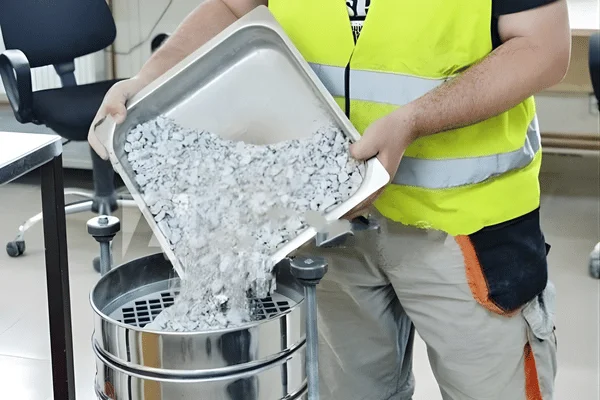
Beyond soil and concrete, Laboratory Testing covers aggregates, asphalt, mortar, and other construction materials. Inch-On evaluates these materials for particle size, density, moisture content, and chemical composition to verify suitability for projects.
Testing aggregates ensures proper bonding with cement, which affects the strength of concrete. Asphalt tests measure stability, durability, and compaction characteristics for road construction. These evaluations provide confidence that every material used in a project meets industry standards and project requirements.
How Inch-On Conducts Laboratory Testing
Laboratory Testing at Inch-On follows standardized procedures to guarantee accurate and reliable results. Each test begins with sample collection, either on-site or at the production facility, followed by preparation according to ASTM and AASHTO standards. Advanced equipment is then used to perform the required evaluations, measuring material properties with precision.
Results are documented in detailed reports, providing contractors and engineers with actionable insights. Laboratory Testing data supports decision-making for material selection, construction techniques, and quality control measures.
Inch-On’s team of qualified engineers and technicians ensures that every test is conducted with integrity and accuracy. Strict quality control measures maintain the reliability of results, reinforcing trust in Laboratory Testing services.
Benefits of Using an Accredited Laboratory
Choosing an accredited laboratory for construction testing is essential for reliability and regulatory compliance. DPWH-BRS accreditation ensures that Inch-On meets stringent standards for testing accuracy, equipment calibration, and staff qualifications.
Independent Laboratory Testing provides unbiased verification of material quality. Contractors and engineers gain confidence that materials meet specifications and will perform as expected throughout the life of a structure.
Accredited Laboratory Testing also minimizes risk by identifying potential issues before construction progresses. This proactive approach supports safe, cost-effective, and efficient project delivery, reducing the likelihood of costly delays or structural failures.
Choosing the Right Laboratory for Your Project
Selecting a Laboratory Testing provider requires careful consideration of accreditation, equipment, experience, and reliability. Inch-On Materials Testing Laboratory stands out in the Philippines due to its DPWH-BRS accreditation, experienced engineers, and commitment to high-quality, standardized testing procedures.
Partnering with a trusted laboratory ensures that materials are accurately evaluated, regulatory requirements are met, and long-term performance is guaranteed. Laboratory Testing by a reputable provider supports project success from planning to completion.
Takeaway
Laboratory Testing is a vital component of safe and successful construction projects. By evaluating soil, concrete, and other construction materials, Inch-On Materials Testing Laboratory ensures compliance with standards, supports structural integrity, and reduces long-term risks. Accredited and equipped with advanced tools, Inch-On provides reliable and precise testing services for every construction project.
Accurate Laboratory Testing protects investments, enhances safety, and delivers confidence to engineers, contractors, and stakeholders. Choosing a trusted provider ensures that materials meet specifications, projects remain on schedule, and structures stand the test of time.
FAQ
What is the difference between field testing and Laboratory Testing?
Field testing is conducted directly at the construction site to evaluate materials under actual conditions. Laboratory Testing occurs in controlled conditions and provides more precise measurements of material properties.
Why is Laboratory Testing important for construction projects?
Laboratory Testing verifies material quality, ensures compliance with standards, prevents structural failures, and supports long-term safety and durability.
What materials can Inch-On test in the laboratory?
Inch-On performs Laboratory Testing on soil, concrete, aggregates, asphalt, mortar, and other construction materials to verify their suitability for specific projects.
Are the tests at Inch-On accredited?
Yes, Inch-On is accredited by DPWH-BRS and follows ASTM and AASHTO standards, ensuring that all Laboratory Testing meets strict industry requirements.
How can Laboratory Testing benefit project timelines and costs?
Accurate testing identifies potential issues early, reducing the need for rework or replacements. This helps maintain project schedules and lowers long-term costs.
How do I request Laboratory Testing services from Inch-On?
Clients can contact Inch-On directly to schedule sample collection and testing. Detailed reports are provided to support project planning and quality control.