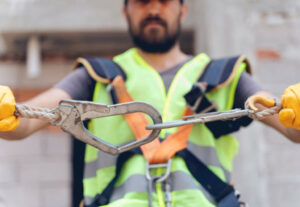
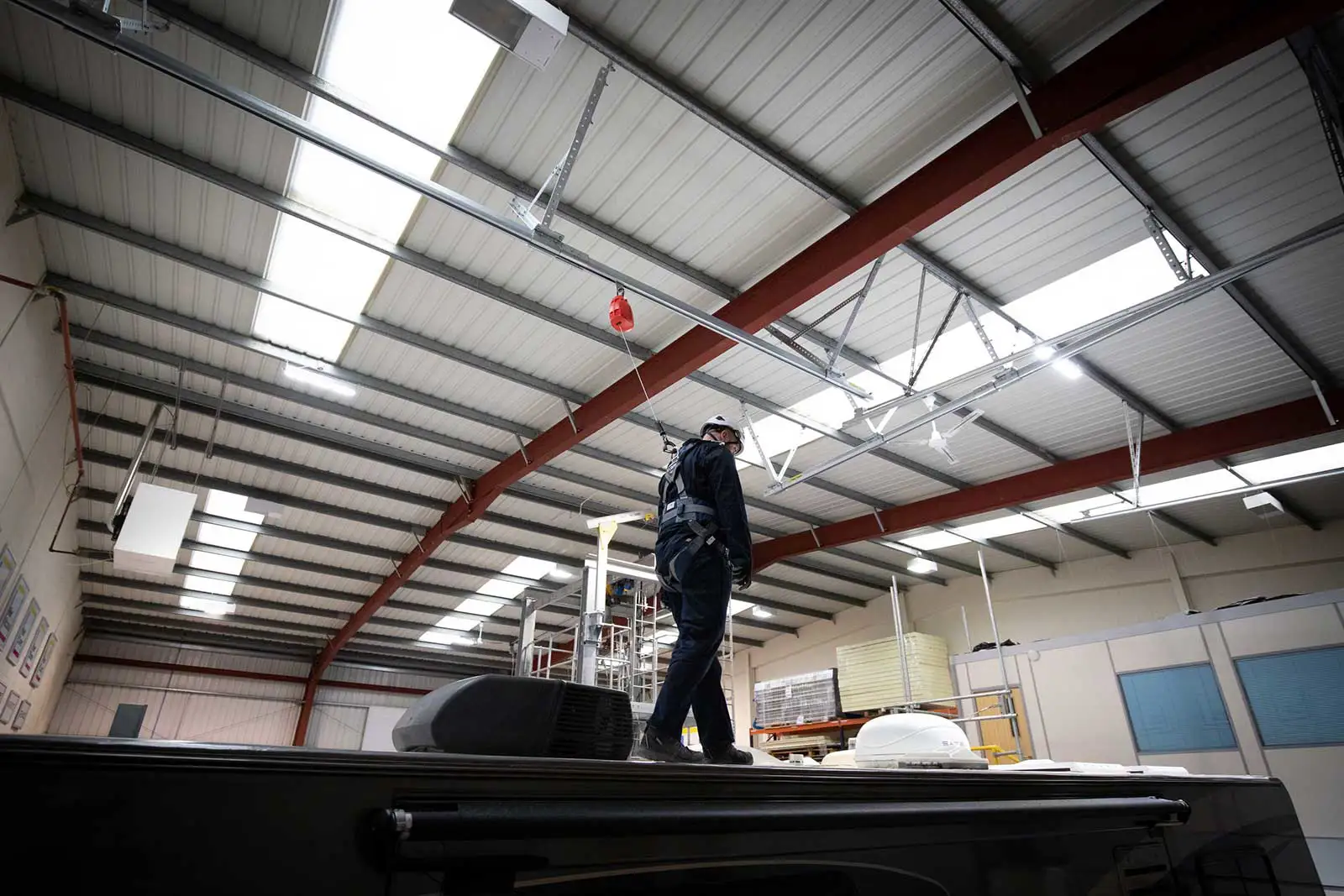
Working at elevated locations presents unique challenges that require dependable safety solutions. An Overhead Lifeline is one of the most trusted fall protection systems because it allows workers to perform their duties while remaining continuously connected to a secure anchor system. From construction sites to manufacturing facilities and maintenance platforms, overhead lifeline systems help reduce the risk of falls without limiting mobility. They are designed to protect employees who regularly work above ground level while supporting efficient movement throughout the job site. As safety standards continue to evolve, employers are placing greater emphasis on engineered fall protection systems that offer both reliability and long-term value. Understanding how an overhead lifeline functions, where it is used, and how it should be maintained enables organizations to build safer work environments. This guide explores every important aspect of an overhead lifeline to help businesses make informed decisions about protecting their workforce.
What Is an Overhead Lifeline?
An Overhead Lifeline is a permanently or temporarily installed fall protection system positioned above the worker’s operating area. It allows employees to connect their safety harness to a moving attachment device that travels smoothly along a cable or rigid rail. This overhead configuration keeps the connection point above the worker, reducing fall distance and minimizing swing hazards if a fall occurs. Unlike fixed anchor points that limit movement, an overhead lifeline supports continuous travel across larger workspaces without requiring repeated reconnections. These systems are commonly installed in locations where workers frequently perform inspections, maintenance, assembly, loading operations, or repairs at height. Because they provide ongoing protection while allowing greater flexibility, overhead lifelines have become a preferred solution in many industrial environments. Their ability to combine safety with productivity makes them an essential part of modern fall protection programs.
How an Overhead Lifeline Works
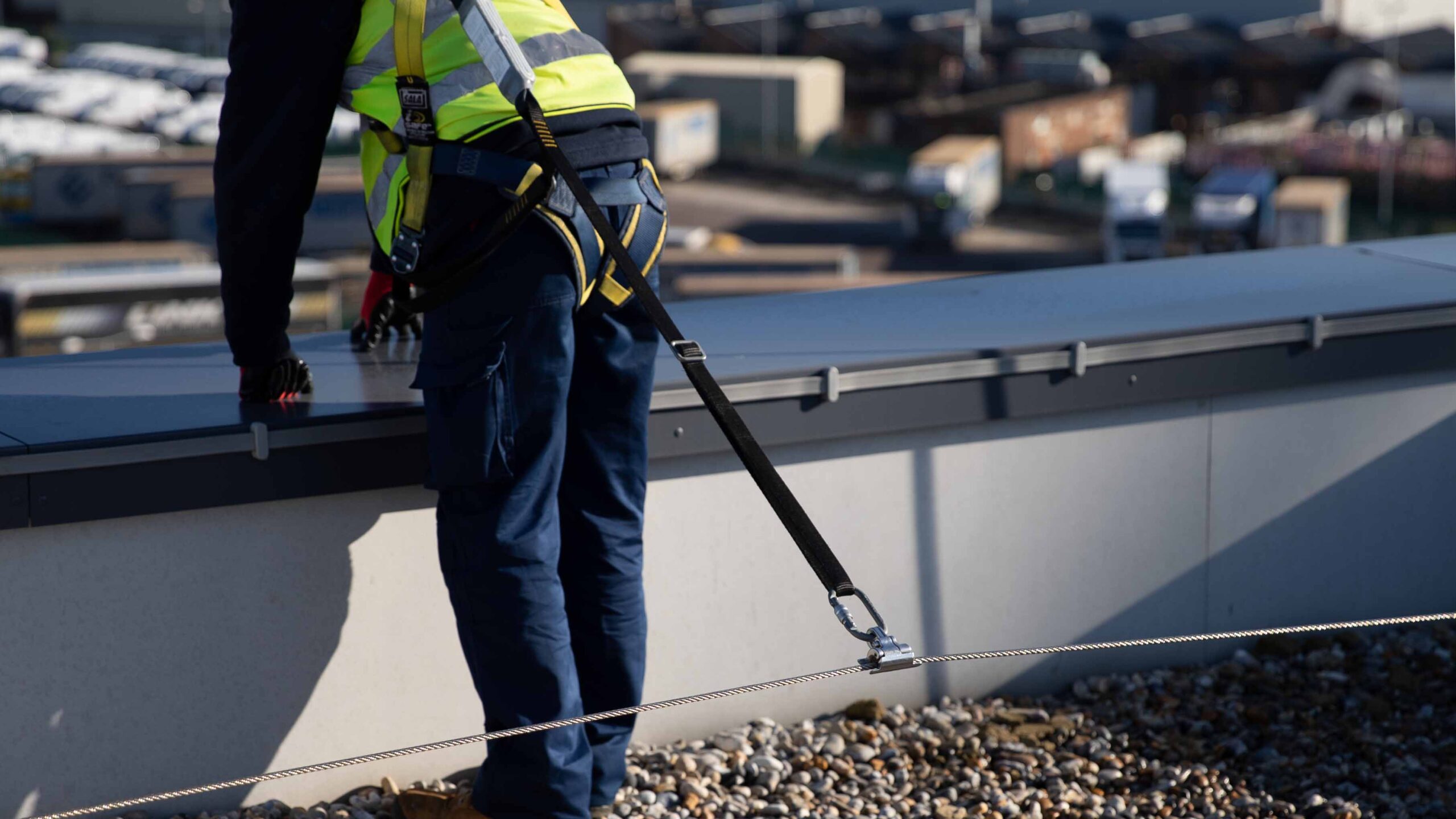
The operating principle of an overhead lifeline is straightforward yet highly effective. A worker wears a full-body harness connected to a trolley or shuttle that moves along the lifeline as the worker changes position. Throughout the job, the worker remains attached to the system, ensuring continuous fall protection. If an accidental fall happens, energy-absorbing components help reduce the arrest force while transferring the load safely into the structural anchor points. Because the attachment remains overhead, the system helps minimize both free-fall distance and dangerous pendulum movement. Proper engineering ensures that each component works together to protect both the worker and the supporting structure. When combined with correct training and routine inspections, an overhead lifeline provides dependable protection every time elevated work is performed.
Primary Components of an Overhead Lifeline System
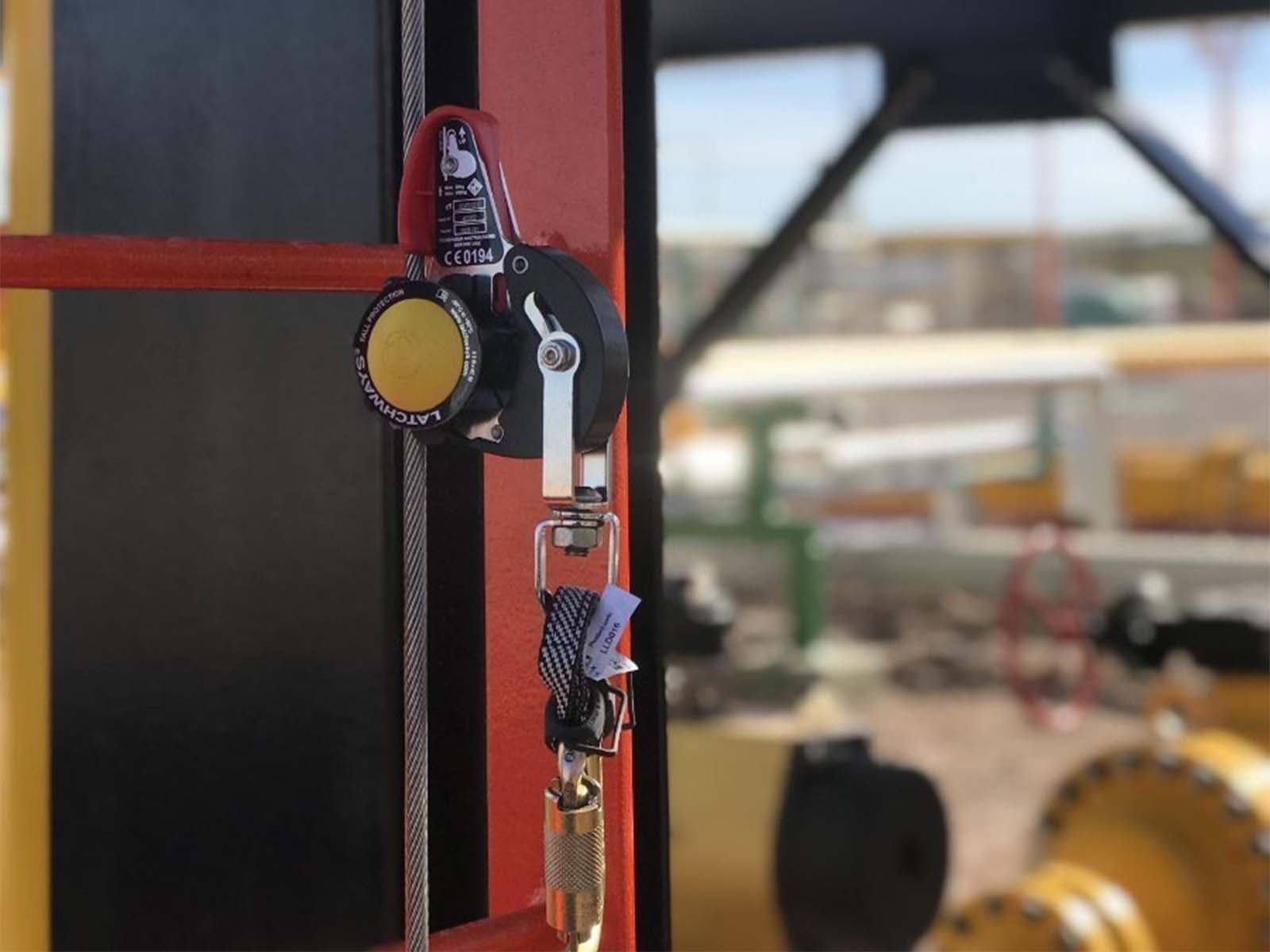
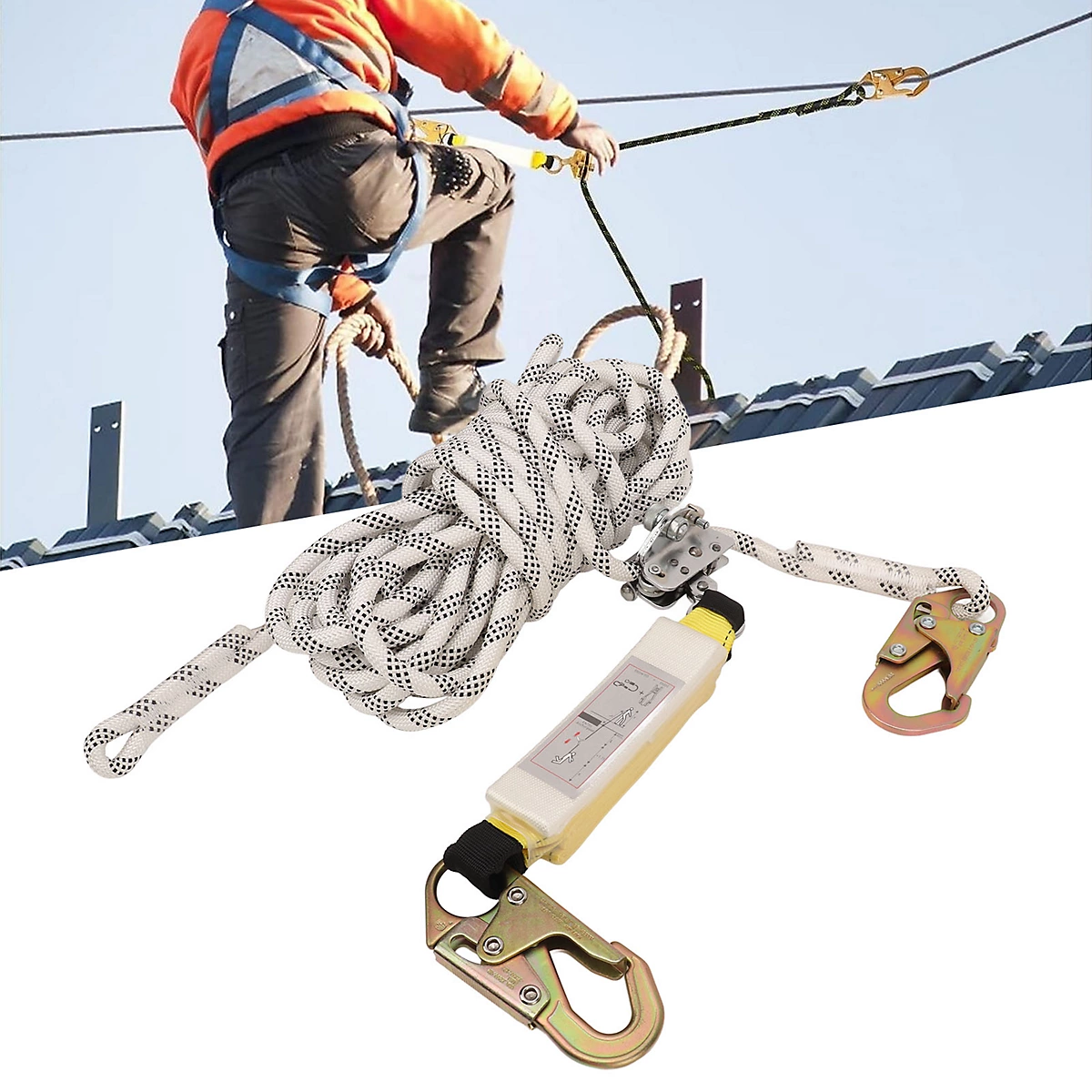
Every overhead lifeline consists of several carefully designed components that function together as a complete safety system. The anchorage serves as the structural foundation capable of supporting the forces generated during fall arrest. A cable or rigid rail provides the pathway along which the worker travels while remaining securely attached. Trolleys allow smooth movement across the work area without disconnecting from the system. Energy absorbers help reduce impact forces during an emergency, improving worker safety and protecting structural elements. Intermediate brackets and supports maintain proper alignment and stability across long spans. Connectors, carabiners, and compatible lanyards complete the system by securely linking the worker to the lifeline. Each component plays an important role in ensuring the overall performance of an overhead lifeline.
Types of Overhead Lifeline Systems
Several overhead lifeline configurations are available to suit different workplaces and operational requirements. Horizontal cable systems are among the most widely used because they provide excellent coverage across large work areas while remaining cost-effective. Rigid rail systems offer increased stability and lower deflection, making them ideal where precise movement and shorter fall distances are required. Monorail systems are frequently installed above production lines where workers follow a fixed travel path. Custom-engineered systems address facilities with unusual layouts or specialized operating conditions. Some installations combine multiple lifeline designs to maximize protection across complex workspaces. Choosing the right type depends on worker movement, building structure, environmental exposure, and expected system usage. Proper selection helps maximize both safety and operational efficiency.
Industries That Benefit from Overhead Lifeline Systems
An overhead lifeline serves a wide variety of industries where elevated work is performed on a regular basis. Construction companies use these systems while building structures, installing roofing materials, and assembling steel frameworks. Manufacturing facilities rely on overhead lifelines to protect maintenance personnel servicing machinery positioned above floor level. Warehouses install them for elevated storage access and equipment maintenance. Aviation technicians depend on overhead systems while inspecting aircraft wings, fuselages, and engines. Utility companies use them when maintaining electrical equipment and infrastructure. Shipyards, mining operations, transportation facilities, commercial buildings, and energy plants also benefit from reliable overhead fall protection. The versatility of an overhead lifeline allows it to adapt to numerous workplace environments while maintaining a high level of worker safety.
Advantages of Installing an Overhead Lifeline
Installing an overhead lifeline provides benefits that extend far beyond meeting workplace safety requirements. Continuous fall protection allows workers to focus on completing tasks rather than constantly changing anchor points. Improved mobility helps employees perform jobs more efficiently, reducing interruptions and increasing productivity. Organizations also lower the likelihood of costly workplace incidents that can result in injuries, downtime, and equipment damage. Permanent systems typically require less daily setup than temporary fall protection methods, saving valuable labor time. A visible investment in safety often improves employee confidence and strengthens workplace morale. Long-lasting materials and engineered components provide dependable performance for many years with proper maintenance. These combined advantages make an overhead lifeline a practical investment for organizations committed to protecting their workforce.
Selecting the Best Overhead Lifeline
Choosing the appropriate overhead lifeline begins with evaluating workplace hazards and operational needs. Employers should identify all elevated work areas, worker travel patterns, and possible fall risks before selecting a system. Structural evaluations help determine whether existing buildings can safely support the intended loads. The number of workers expected to use the system simultaneously also affects overall design. Environmental conditions such as humidity, chemical exposure, temperature fluctuations, and outdoor weather may require corrosion-resistant materials or specialized components. Future operational growth should also be considered to allow system expansion without major redesign. Working alongside qualified fall protection specialists ensures the overhead lifeline matches both current and future workplace requirements while maintaining high safety standards.
Installation Best Practices
Proper installation directly affects the performance and reliability of an overhead lifeline. The process begins with detailed engineering assessments to verify structural capacity and determine the most effective anchor locations. Every support bracket, cable, or rail must be installed according to manufacturer specifications to ensure optimal performance. Correct cable tension or rail alignment helps maintain smooth trolley movement while minimizing unnecessary wear. Once installation is complete, comprehensive testing confirms that every component functions correctly under expected working conditions. Employees should receive hands-on training before using the system so they understand proper connection procedures and safe operating practices. Maintaining accurate installation documentation also supports future inspections and ongoing system management.
Inspection and Maintenance
An overhead lifeline should receive regular inspections to maintain dependable performance throughout its service life. Workers should visually examine the system before each use by checking cables, rails, connectors, trolleys, and harness attachment points for visible signs of damage. Scheduled inspections performed by qualified personnel provide more detailed assessments of structural integrity and overall system condition. Cleaning helps remove contaminants that may contribute to corrosion or interfere with moving components. Worn or damaged parts should always be replaced with approved components to preserve compatibility and performance. Keeping accurate maintenance records allows organizations to monitor system history and demonstrate compliance with safety requirements. Consistent maintenance significantly extends equipment life while ensuring workers remain properly protected.
Common Errors When Using an Overhead Lifeline
Even the most advanced overhead lifeline requires proper use to provide maximum protection. Failing to inspect the system before beginning work is one of the most common mistakes that can allow damaged equipment to remain in service. Using incompatible connectors or unauthorized replacement parts may reduce the effectiveness of the entire system. Exceeding the designed user capacity places unnecessary stress on structural components and should always be avoided. Some organizations overlook the importance of routine employee training, increasing the possibility of improper use. Ignoring scheduled maintenance may allow small issues to develop into larger safety concerns. Unauthorized modifications can also compromise certification and reduce system reliability. Establishing clear operating procedures and ongoing safety education helps prevent these common errors.
Comparing an Overhead Lifeline with Other Fall Protection Options
Different fall protection systems are designed for different workplace applications, and each offers unique advantages. Guardrails provide passive protection but cannot always be installed where workers need unrestricted access. Vertical lifelines work well for climbing activities but provide less horizontal movement across large workspaces. Self-retracting lifelines offer rapid fall arrest but may require additional anchor points depending on the work area. An overhead lifeline stands out because it combines continuous protection with unrestricted movement across extended work zones. Its overhead attachment position also reduces swing hazards and supports efficient worker travel. For facilities where employees frequently move while working at height, an overhead lifeline often provides one of the most practical and dependable safety solutions available.
Modern Developments in Overhead Lifeline Technology
Technology continues to improve the effectiveness of overhead lifeline systems across many industries. Advanced materials provide greater strength while reducing overall system weight, making installation and maintenance more efficient. Corrosion-resistant coatings increase durability in harsh outdoor and industrial environments. Smart monitoring systems are becoming increasingly common, allowing organizations to track inspections, maintenance schedules, and equipment usage electronically. Improved energy absorbers provide better force management during fall arrest events. Modular system designs simplify future expansion as facilities grow or operational needs change. These ongoing innovations enable modern overhead lifeline systems to deliver even higher levels of safety, efficiency, and long-term performance than ever before.
Frequently Asked Questions
What is an overhead lifeline?
An overhead lifeline is a fall protection system installed above a work area that keeps employees connected to a secure anchor while performing elevated tasks.
Where are overhead lifeline systems commonly installed?
They are widely used in construction sites, manufacturing plants, warehouses, aviation facilities, power stations, mining operations, commercial buildings, and industrial maintenance environments.
Can multiple employees use one overhead lifeline?
Yes. Many systems are designed to support multiple users, provided they are engineered and rated for the intended number of workers.
How often should an overhead lifeline be inspected?
Workers should inspect the system before every use, while qualified inspectors should perform scheduled detailed inspections based on workplace regulations and manufacturer recommendations.
Why is professional installation necessary?
Professional installation ensures the overhead lifeline is engineered correctly, properly anchored, tested thoroughly, and capable of providing reliable fall protection under expected working conditions.
What maintenance does an overhead lifeline require?
Routine inspections, cleaning, corrosion prevention, lubrication where applicable, prompt replacement of worn components, and detailed maintenance records help keep the system operating safely.
Is an overhead lifeline suitable for both indoor and outdoor use?
Yes. Many overhead lifeline systems are designed for indoor and outdoor environments, although the materials and finishes should match the surrounding conditions.
Takeaway
An Overhead Lifeline is an essential safety solution for organizations where employees regularly work at height. It delivers continuous fall protection, promotes greater worker mobility, and supports efficient operations across a wide range of industries. Selecting the right system involves understanding workplace hazards, evaluating structural requirements, and choosing components that meet operational demands. Proper installation, regular inspections, preventive maintenance, and employee training all contribute to dependable long-term performance. As engineering and safety technologies continue to advance, overhead lifeline systems are becoming even more durable, adaptable, and effective. Organizations that invest in a high-quality overhead lifeline not only improve workplace safety but also strengthen productivity, regulatory compliance, and employee confidence for years to come.