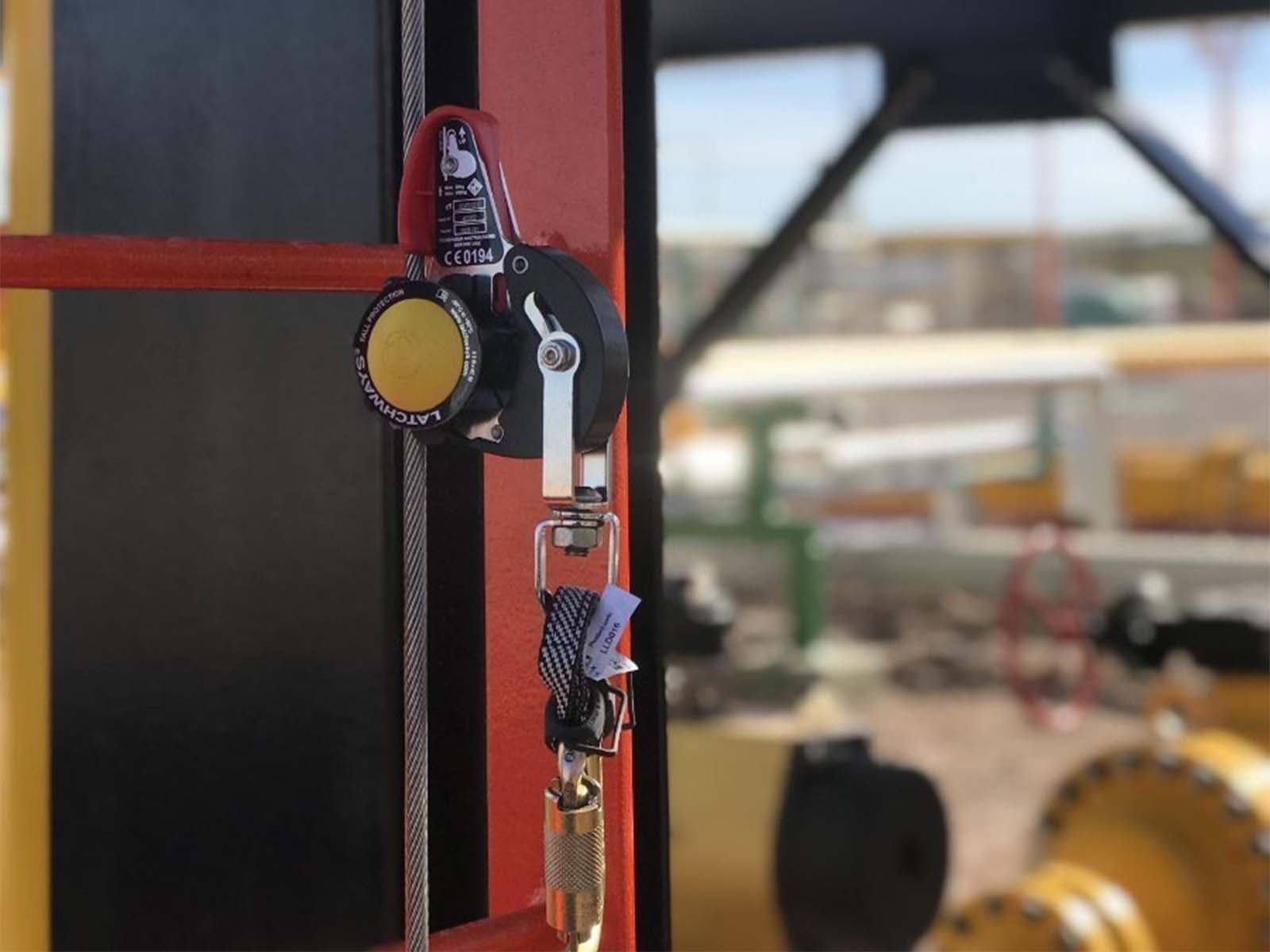
Working above ground level is part of daily operations in many industries, making fall protection one of the most important aspects of workplace safety. A Vertical Lifeline provides reliable protection for employees who climb ladders, towers, scaffolding, and other elevated structures where fall hazards exist. Designed to work alongside a full-body harness and fall arrest device, this safety system helps stop falls while allowing workers to move freely during their tasks. Choosing the right Vertical Lifeline involves more than selecting a rope or cable because every worksite has different hazards, environmental conditions, and operational requirements. Employers who understand how these systems function are better equipped to protect their workforce and maintain a safer jobsite. Proper equipment selection, routine inspections, and employee training all contribute to reducing the likelihood of serious accidents. Learning the essentials of a Vertical Lifeline is an investment in both worker safety and long-term operational success.
What Is a Vertical Lifeline and Why Is It Important?
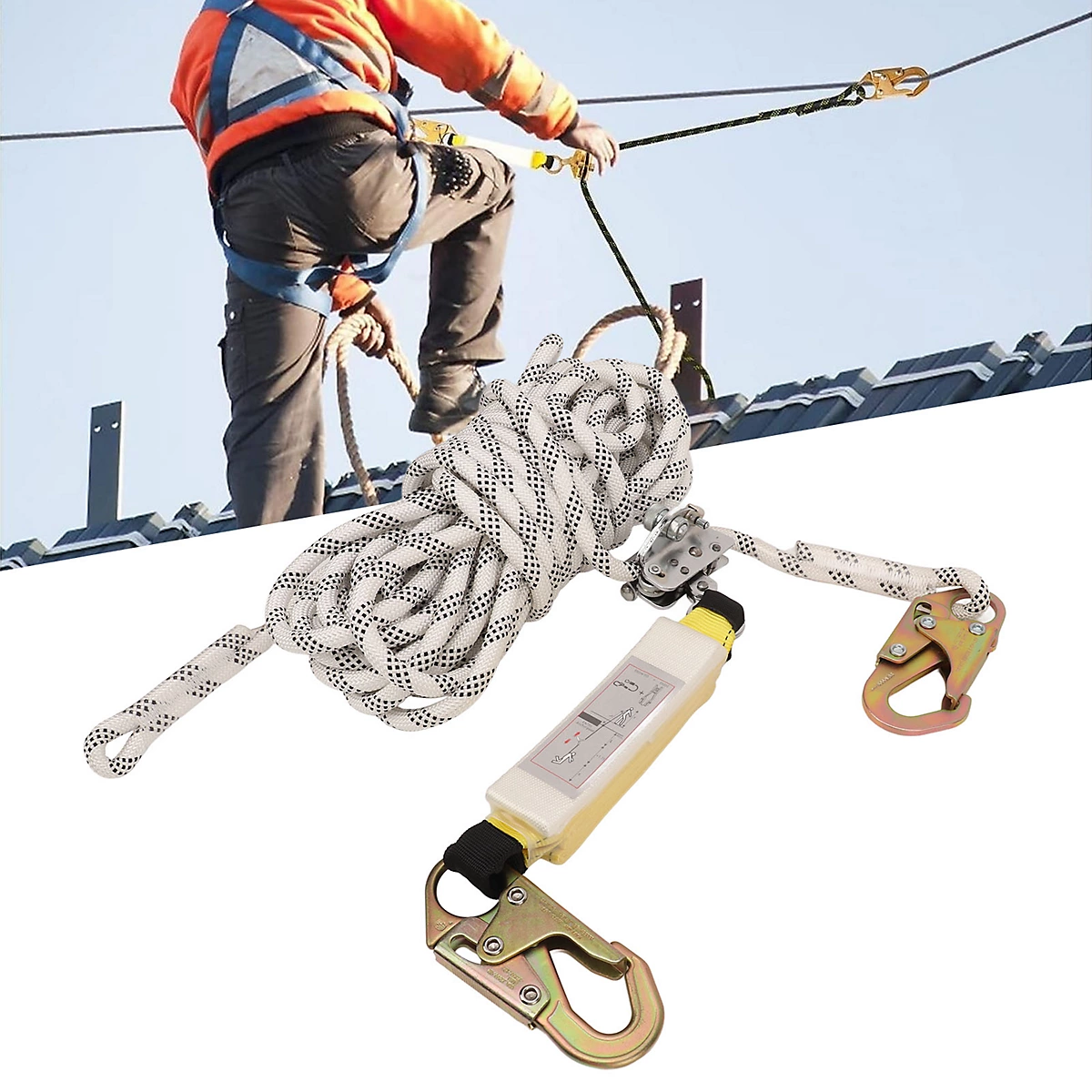
A Vertical Lifeline is a critical part of a personal fall arrest system that protects workers while climbing or performing tasks at elevated locations. It consists of a flexible rope or steel cable securely attached to a certified anchorage point above the work area. The worker connects to the lifeline through a rope grab or fall arrester attached to a properly fitted full-body harness. As the worker climbs, the device moves smoothly along the lifeline without interfering with normal movement. If a slip or fall occurs, the mechanism immediately locks onto the lifeline to stop the fall and reduce impact forces. This rapid response significantly lowers the risk of severe injuries while allowing emergency rescue procedures to begin quickly. Because of its dependable performance, a Vertical Lifeline has become an essential safety solution across numerous industries where working at height is unavoidable.
How a Vertical Lifeline Protects Workers
The effectiveness of a Vertical Lifeline comes from the way each component works together to create continuous fall protection. A secure anchorage point provides the strength needed to support the system during normal use and in the event of a fall. The lifeline extends vertically, giving workers a protected path while climbing or descending. A rope grab or fall arrest device travels with the worker and automatically engages whenever rapid downward movement is detected. Energy-absorbing elements help reduce the force transmitted to the body during fall arrest, minimizing the potential for injury. The full-body harness distributes these forces across stronger areas of the body, improving overall protection. This combination of equipment allows workers to perform their responsibilities confidently while remaining connected to a dependable safety system at all times.
Key Components of a Vertical Lifeline System
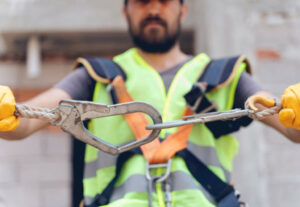
Understanding each part of a Vertical Lifeline system helps employers choose equipment that meets their workplace requirements. The anchorage point serves as the foundation of the system and must be capable of supporting the required load during a fall. The lifeline itself may be made from high-strength synthetic rope or galvanized steel cable depending on the work environment. Rope grabs or fall arrest devices move freely during climbing but instantly lock when a fall occurs. A full-body harness securely connects the worker to the lifeline while distributing fall forces safely. Locking carabiners, connectors, and energy absorbers ensure every component functions together as a complete system. Each part must be compatible, regularly inspected, and maintained according to manufacturer recommendations to deliver consistent performance.
Factors to Consider When Choosing a Vertical Lifeline
Choosing the right Vertical Lifeline requires evaluating several workplace conditions before purchasing equipment. The height of the work area is one of the first considerations because it determines the required lifeline length and fall clearance. Employers should also assess environmental conditions such as rain, extreme temperatures, chemical exposure, or corrosive environments that may influence material selection. Worker weight, clothing, and carried tools affect load capacity requirements and should always be included when selecting equipment. Compatibility with existing personal protective equipment ensures the entire fall protection system works as intended. Ease of installation and maintenance may also influence which system is best suited for daily operations. Careful planning helps organizations select a Vertical Lifeline that provides dependable protection while supporting efficient workflow.
Types of Vertical Lifeline Systems
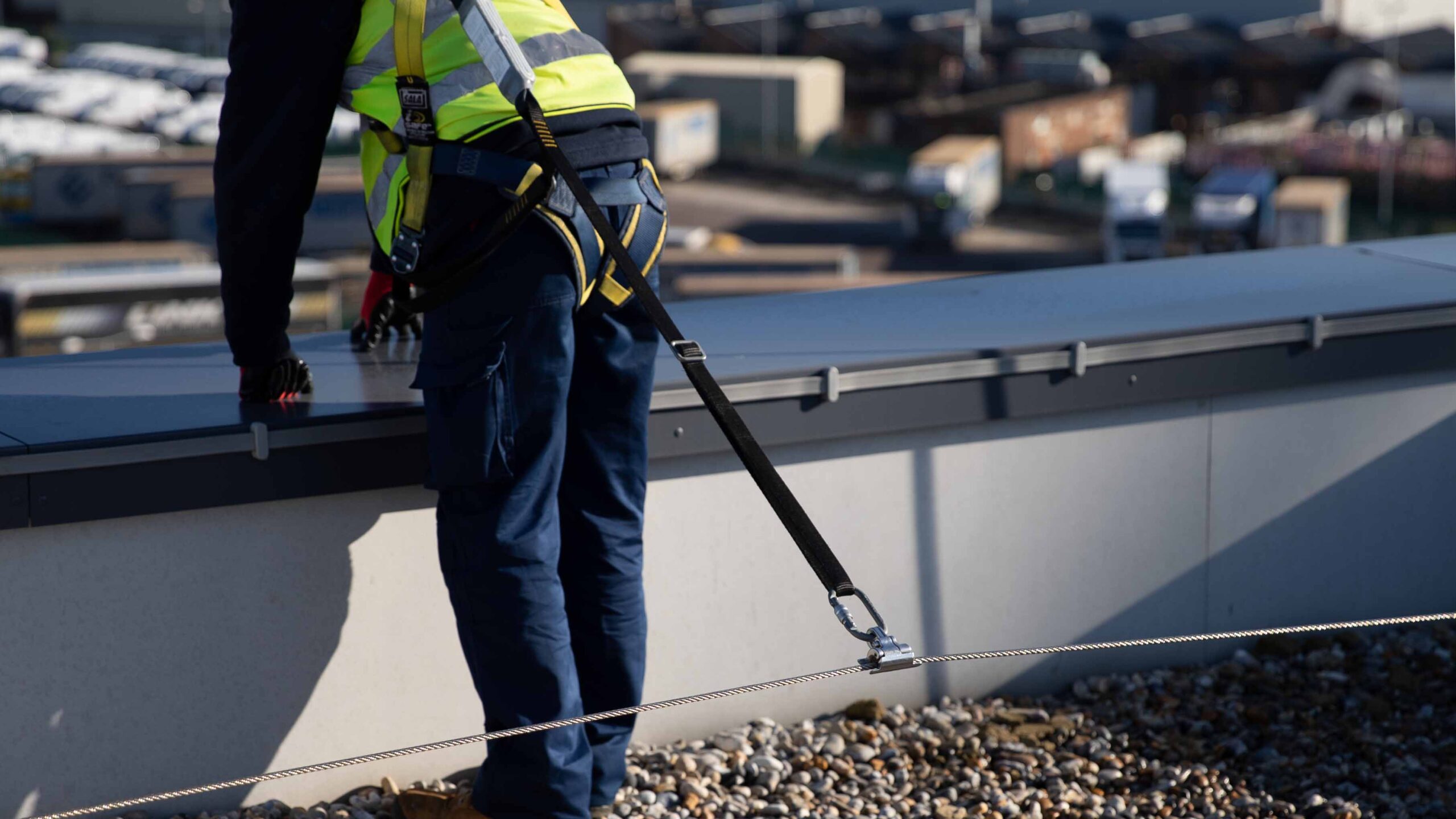
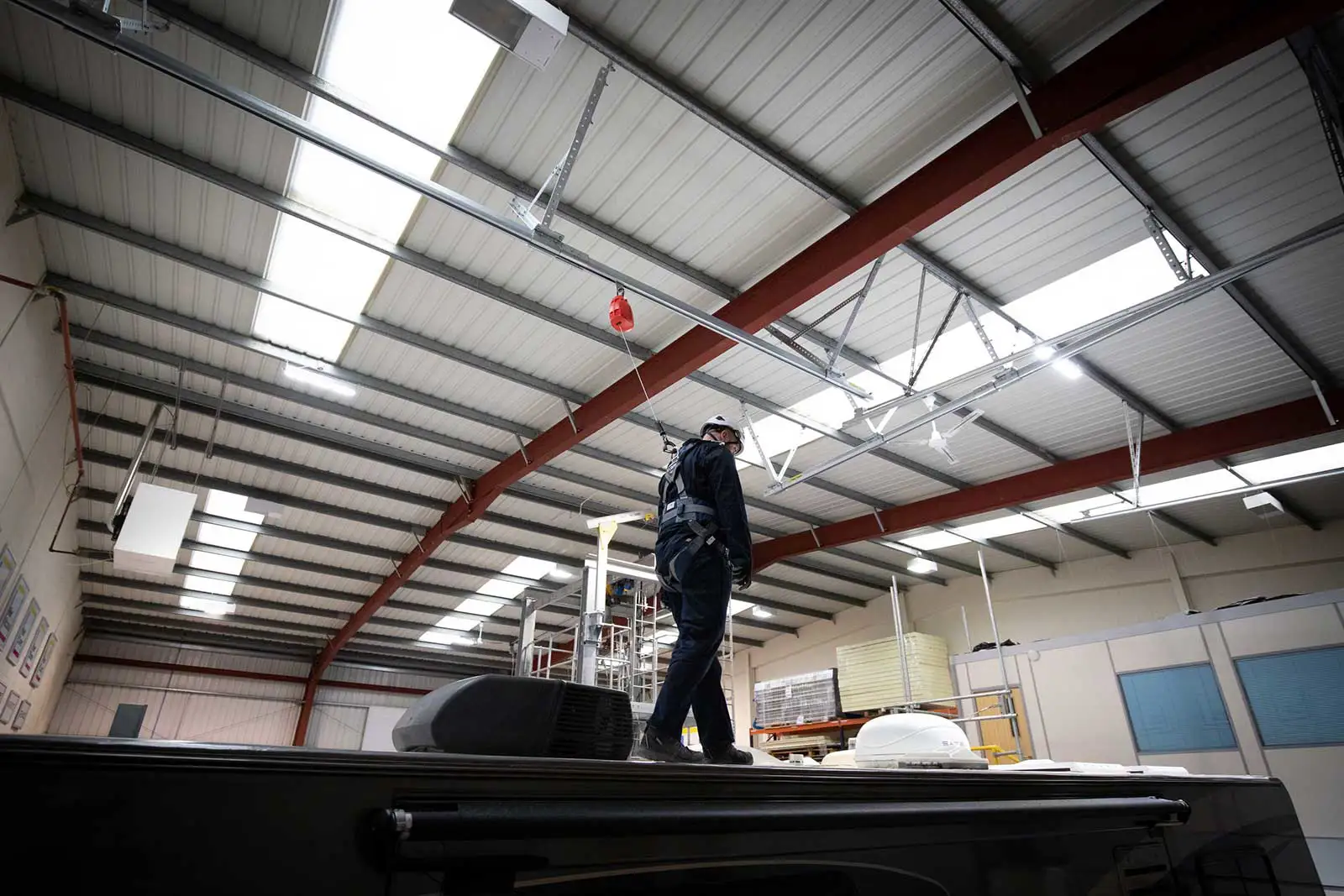
Different workplaces require different styles of Vertical Lifeline systems based on operational needs. Temporary systems are ideal for construction projects, inspections, and maintenance activities where equipment must be installed and removed frequently. Permanent systems are commonly installed on communication towers, industrial facilities, and wind turbines where workers require repeated access throughout the year. Rope-based Vertical Lifeline systems are lightweight, portable, and convenient for changing job locations. Cable-based systems provide excellent durability and resistance to wear, making them suitable for demanding industrial environments. Some systems are designed for a single worker, while others accommodate multiple users when engineered accordingly. Understanding these options helps employers choose equipment that matches their specific applications and safety objectives.
Industries That Benefit from Vertical Lifeline Systems
A Vertical Lifeline is used in a wide variety of industries where employees perform tasks above ground level. Construction companies rely on these systems during structural work, roofing, and scaffold access. Utility providers use them while maintaining electrical transmission towers and communication poles. Telecommunications technicians depend on Vertical Lifeline systems when climbing cell towers and broadcast structures. Wind energy companies require dependable fall protection during turbine installation and maintenance. Manufacturing plants, warehouses, and industrial facilities also benefit when employees access elevated machinery or storage systems. Building maintenance professionals use these systems while inspecting rooftops, elevator shafts, and exterior structures. Their flexibility makes Vertical Lifeline equipment suitable for almost any workplace where fall hazards are present.
Benefits of Investing in a High-Quality Vertical Lifeline
Purchasing a high-quality Vertical Lifeline provides long-term advantages for organizations focused on workplace safety. Reliable equipment significantly reduces the likelihood of fall-related injuries, helping protect workers and maintain uninterrupted operations. Continuous attachment allows employees to move more efficiently without repeatedly disconnecting from the safety system. Durable construction extends equipment lifespan and reduces replacement costs over time. Certified systems also help organizations meet applicable workplace safety requirements while demonstrating a commitment to employee well-being. Workers often perform more confidently when they trust the equipment protecting them, leading to improved productivity and morale. Investing in quality fall protection is not only a safety decision but also a valuable business investment.
Best Practices for Using a Vertical Lifeline
Safe operation of a Vertical Lifeline begins before a worker leaves the ground. Every component should be visually inspected before each use to identify signs of wear, corrosion, cuts, or damage. The anchorage point must always be verified to ensure it meets required load ratings. Workers should wear a properly adjusted full-body harness that fits securely without restricting movement. The rope grab or fall arrest device should be installed according to manufacturer instructions and tested before climbing begins. Employees should remain connected to the Vertical Lifeline throughout the entire work process and avoid unnecessary disconnections. Ongoing safety training reinforces proper equipment use while helping workers recognize hazards before accidents occur.
Inspection and Maintenance Tips
Routine maintenance is essential for keeping every Vertical Lifeline in dependable working condition. Daily inspections allow workers to identify visible defects before equipment is placed into service. Qualified inspectors should also perform scheduled evaluations according to manufacturer recommendations and workplace policies. Rope and cable should be checked for cuts, fraying, corrosion, broken strands, or excessive wear. Connectors, harnesses, and fall arrest devices should operate smoothly without deformation or damage. Equipment should be cleaned using approved methods and stored in dry locations away from direct sunlight and harsh chemicals. Accurate inspection records help organizations monitor equipment condition and ensure timely replacement when necessary.
Common Mistakes That Can Reduce Safety
Even the highest-quality Vertical Lifeline cannot provide effective protection if it is used incorrectly. One common mistake is attaching the system to an anchor point that is not rated for fall arrest loads. Workers may also overlook damaged ropes, connectors, or harnesses because defects appear minor during visual inspection. Improper harness adjustment can reduce comfort and compromise protection during a fall. Mixing components from different manufacturers may create compatibility issues that affect system performance. Some workers also neglect refresher training, leading to incorrect equipment use over time. Avoiding these mistakes helps ensure the Vertical Lifeline performs exactly as intended whenever worker safety depends on it.
The Future of Vertical Lifeline Technology
Advancements in safety engineering continue to improve Vertical Lifeline systems for modern workplaces. Manufacturers are developing stronger yet lighter materials that enhance mobility without reducing durability. Improved fall arrest devices respond faster while minimizing impact forces during sudden falls. Corrosion-resistant components increase service life in harsh industrial and marine environments. Digital inspection software allows employers to track maintenance schedules, equipment history, and replacement timelines more efficiently. Smart technologies capable of detecting falls and transmitting emergency alerts are becoming increasingly available for high-risk industries. These ongoing innovations help organizations strengthen workplace safety while improving overall efficiency and equipment reliability.
Frequently Asked Questions
What is a Vertical Lifeline?
A Vertical Lifeline is a fall protection system designed to protect workers while climbing or working at elevated heights by stopping falls through a connected fall arrest device.
Who should use a Vertical Lifeline?
Construction workers, utility technicians, telecommunications professionals, maintenance crews, wind turbine technicians, industrial workers, and anyone performing tasks at height can benefit from using a Vertical Lifeline.
Can a Vertical Lifeline be used indoors and outdoors?
Yes. Vertical Lifeline systems are available for both indoor and outdoor applications, although the material selection should match the environmental conditions.
How often should a Vertical Lifeline be inspected?
Workers should inspect the equipment before every use, while qualified personnel should perform scheduled inspections based on manufacturer recommendations and workplace safety requirements.
What is the difference between rope and cable Vertical Lifeline systems?
Rope systems are generally lightweight and portable, making them suitable for temporary work, while cable systems offer greater durability for permanent installations and demanding environments.
Why is worker training important when using a Vertical Lifeline?
Training helps workers understand proper equipment use, inspection procedures, hazard recognition, and emergency response, all of which contribute to a safer workplace.
Can damaged Vertical Lifeline equipment be repaired?
Only repairs approved by the manufacturer should be performed. Equipment showing significant damage should be removed from service until it is properly evaluated or replaced.
Takeaway
A Vertical Lifeline plays a vital role in protecting workers who perform tasks at elevated locations across many industries. Choosing the appropriate system requires careful consideration of work height, environmental conditions, equipment compatibility, and regulatory requirements. Regular inspections, proper maintenance, and comprehensive worker training ensure the system continues to provide dependable protection throughout its service life. Organizations that prioritize high-quality fall protection equipment create safer workplaces, reduce accident risks, and improve employee confidence. As fall protection technology continues to evolve, investing in a reliable Vertical Lifeline remains one of the most effective ways to support long-term workplace safety and operational excellence.