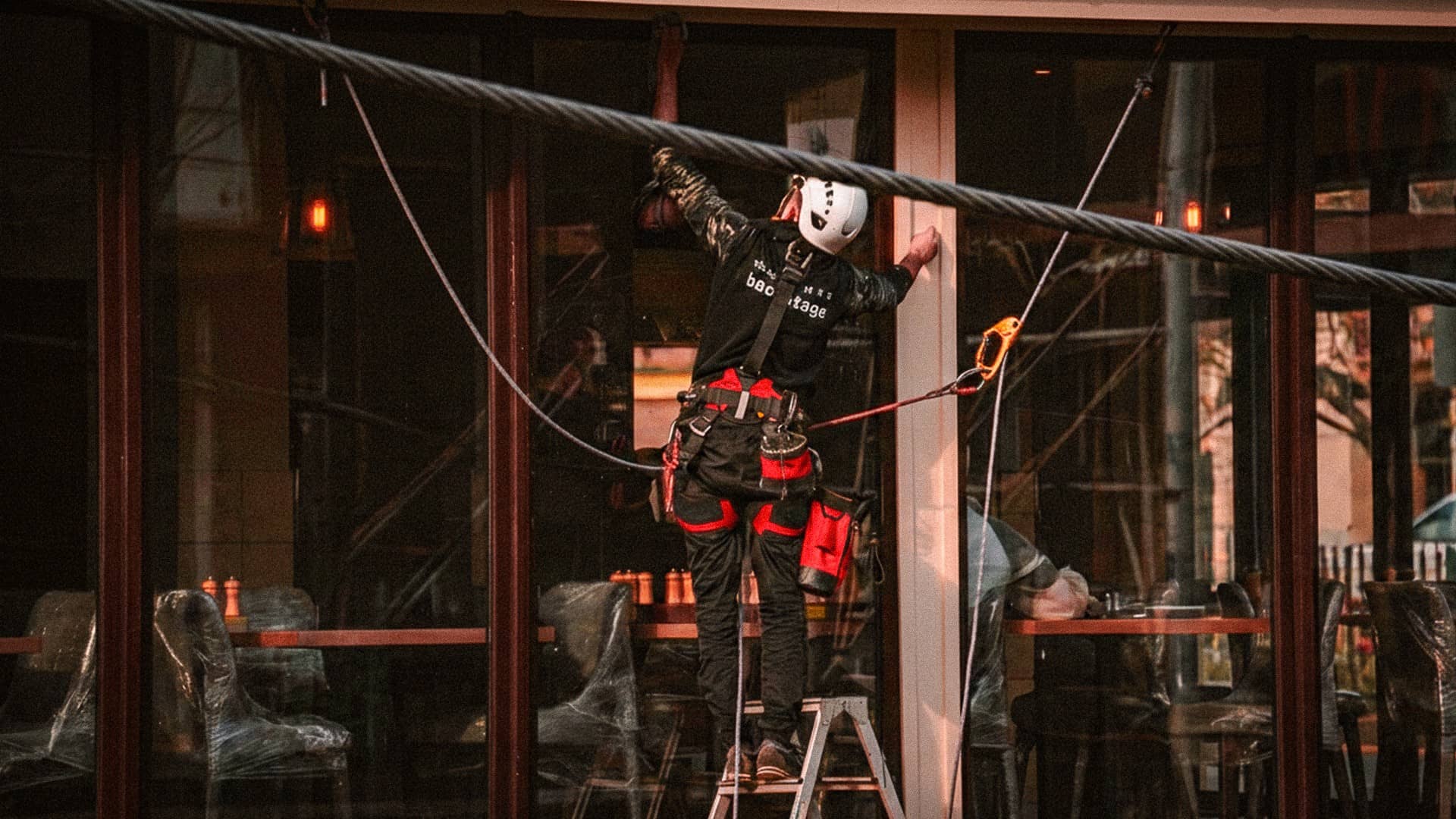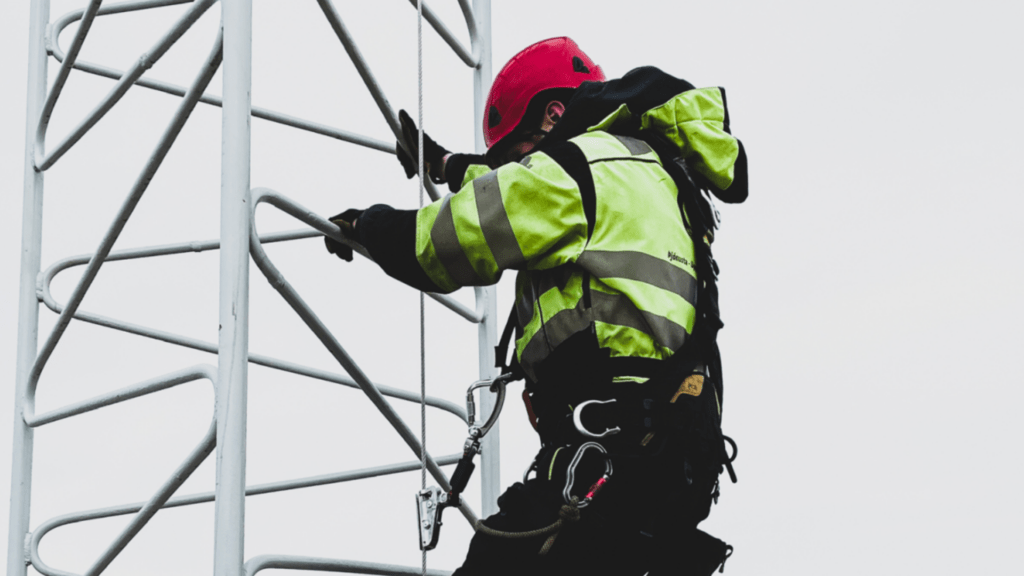
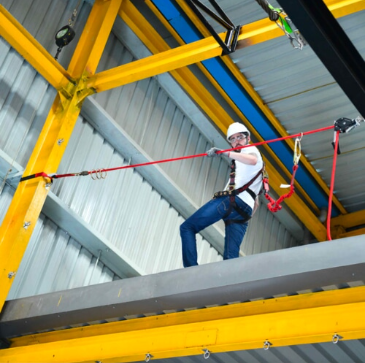
Working at elevated locations is a routine requirement across many industries in the Philippines. Construction crews, facility managers, maintenance teams, engineers, and contractors may all need reliable ways to reach roofs, platforms, equipment, and other elevated areas. However, accessing a height safely requires more than simply providing a ladder or temporary platform. Proper planning involves selecting suitable access equipment, evaluating site conditions, controlling fall hazards, and ensuring workers understand how to use the system correctly. This is where professional height access Philippines solutions become valuable for businesses that regularly perform elevated work. A well-planned system can make access more organized while helping reduce unnecessary exposure to workplace hazards. By understanding the available solutions and the factors involved in selecting them, property owners and safety professionals can make more informed decisions for their facilities.
Understanding Height Access in the Philippines
Height access refers to the equipment, systems, and methods used to allow workers to safely reach and perform tasks in elevated areas. These systems can include fixed ladders, roof access equipment, walkways, platforms, guardrails, anchor points, and lifeline systems. The appropriate solution depends heavily on the building design, type of work, frequency of access, and potential hazards present at the site. In the Philippines, height access requirements can arise in commercial buildings, factories, warehouses, construction sites, industrial facilities, and other properties. Workers may need access to elevated areas for inspection, cleaning, repair, installation, or routine maintenance. Simply providing physical access does not automatically make elevated work safe because workers may still encounter open edges, fragile surfaces, slippery areas, or other fall hazards. A complete height access approach therefore considers both how workers reach an elevated location and how they can move and work safely once they arrive.
Why Height Access Matters for Philippine Workplaces
Many Philippine buildings and facilities require regular maintenance in areas that are difficult or hazardous to reach from ground level. Roof-mounted equipment, ventilation systems, electrical components, solar installations, drainage systems, and other building services can require periodic inspection or servicing. Without a planned access system, workers may rely on makeshift methods that increase exposure to unnecessary risks. A dedicated height access system can establish predictable routes for reaching designated work areas. It can also help maintenance teams perform recurring tasks more efficiently because workers do not have to create a new access arrangement for every job. Proper access planning becomes especially important for facilities where elevated work is performed frequently throughout the year. Businesses that invest in suitable systems can create a more structured approach to maintenance while supporting their broader workplace safety practices.
Common Height Access Solutions Available in the Philippines
There are several types of height access systems that can be considered depending on the requirements of a property. Fixed ladders are commonly used where workers need a permanent route between different levels of a building or structure. Roof access systems can provide designated entry points for workers who regularly need to reach roof areas for inspection or maintenance. Walkways and platforms can create stable routes across larger roof areas and help workers navigate around equipment and other obstacles. Guardrails can provide collective protection around exposed edges, openings, platforms, and other areas where a fall could occur. Lifeline and anchorage systems can also be incorporated when personal fall protection equipment is part of the site’s safety strategy. Temporary solutions such as scaffolding and mobile access platforms may be appropriate for specific projects, although they require proper setup and competent use. Selecting between these options should be based on an assessment of the actual work environment rather than simply choosing the most familiar or least expensive equipment.
Fixed Ladders and Roof Access Systems
Fixed ladders can be useful when workers need regular access to elevated areas and a permanent route is more practical than repeatedly installing temporary equipment. They can be designed for specific building configurations and connected to other access and protection systems where appropriate. Roof access systems may also include roof hatches, access ladders, stairs, and designated entry points depending on the structure. A properly planned route can make it easier for workers to reach maintenance areas without unnecessarily moving across hazardous surfaces. The surrounding environment should also be considered because a ladder may bring a worker onto a roof where additional protection is still needed. For example, roof edges, skylights, fragile materials, and changes in elevation can create hazards after the worker has reached the roof. This means a ladder should not be viewed as an isolated safety solution but as one part of a larger access strategy. Professional assessment can help determine whether the selected access route provides a practical and appropriately protected path for the intended work.
Roof Walkways, Platforms, and Guardrails
Roof areas can contain multiple hazards that are not always obvious from ground level. Workers may encounter fragile roofing materials, uneven surfaces, roof openings, mechanical equipment, drainage features, and exposed edges. Roof walkway systems can provide designated routes that help workers move between access points and maintenance locations. Platforms can create more stable work areas where technicians need to remain in one position while servicing equipment. Guardrails can offer collective protection around certain exposed areas and may reduce the need for workers to rely solely on personal protective equipment. The design of these systems should account for the building structure, expected usage, environmental conditions, and location of maintenance activities. Proper positioning is important because an access system that does not reach the actual work area may force workers to leave the protected route. A carefully planned combination of walkways, platforms, and edge protection can therefore make elevated maintenance more organized and practical.
Lifelines and Anchorage Systems
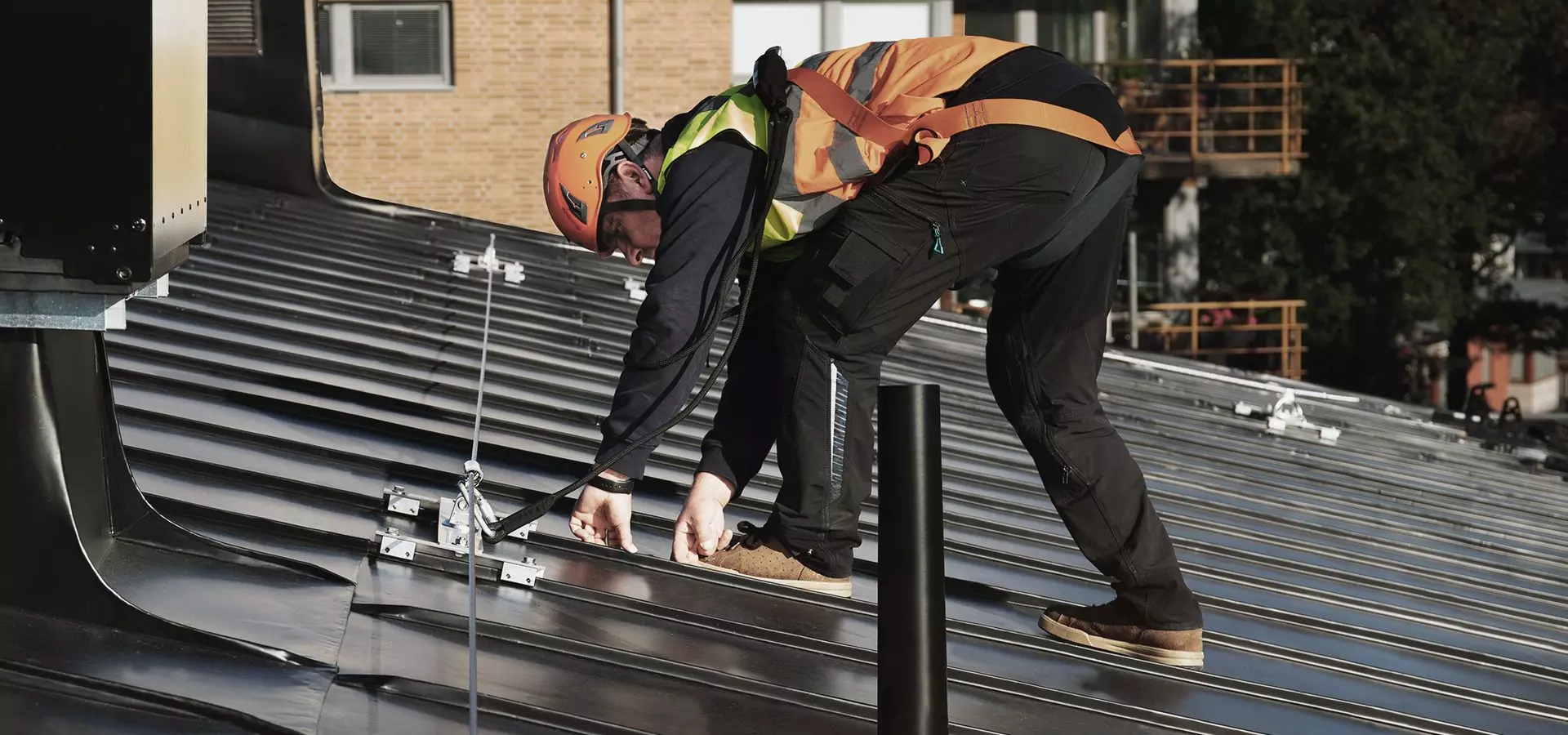
Lifeline systems and anchorage points can form an important part of a height access Philippines strategy when workers need personal fall protection. An anchorage point provides a connection location for compatible fall protection equipment, while a lifeline can provide a designated connection route across an area where workers need to move. These systems should be designed according to the requirements of the site and the equipment being used. Compatibility is particularly important because connecting unrelated components without proper technical verification can compromise the intended protection system. Anchorage locations should also be carefully planned so workers can access the necessary areas while maintaining appropriate protection. Installation should account for the supporting structure and the forces that the system may need to withstand. Workers must also receive suitable training on how to use their personal fall protection equipment and connect to the system correctly. A professionally designed fall protection arrangement can complement physical access systems and provide an additional layer of protection for elevated work.
How to Select the Right Height Access System
Choosing a height access system begins with understanding exactly where workers need to go and what they need to do when they get there. A site assessment should consider building height, roof configuration, access points, surface conditions, equipment locations, and surrounding hazards. The frequency of access is another important factor because a facility that requires weekly maintenance may benefit from a different solution than one that only needs occasional inspection. The nature of the work should also influence the decision because inspection, cleaning, installation, and heavy maintenance activities can have different access requirements. Available space should be considered because some properties have limited areas for ladders, platforms, walkways, or other equipment. Existing fall protection systems should also be reviewed so new components can be properly integrated into the overall safety arrangement. Cost is naturally an important consideration, but selecting equipment based solely on its initial price can create problems if the system is difficult to use or unsuitable for the facility. A better approach is to consider safety, usability, durability, compliance requirements, maintenance needs, and long-term value together.
Height Access and Fall Protection
Height access and fall protection are closely connected, but they serve different purposes within a work-at-height system. Height access equipment primarily helps workers reach elevated locations, while fall protection measures are designed to reduce the likelihood or consequences of a fall. For example, a fixed ladder may provide access to a roof, but workers may still need protection when moving near an exposed roof edge. Similarly, a walkway may establish a designated route but may require additional protective measures depending on the surrounding conditions. Collective protection such as guardrails can protect multiple workers without requiring each person to remain individually connected to a system. Personal fall protection equipment can provide another approach when collective protection is not practical or when specific tasks require additional protection. The correct solution depends on the risk assessment, site configuration, work activity, and applicable requirements. Treating access and fall protection as separate but interconnected elements helps businesses create more complete safety arrangements.
Safety Considerations for Working at Height
Every elevated work activity should begin with an assessment of the potential hazards involved. Workers and supervisors should identify exposed edges, openings, fragile surfaces, slippery areas, obstacles, weather conditions, and other factors that could affect safety. Equipment should be inspected regularly to identify damage, corrosion, loose components, or other signs of deterioration. Environmental conditions are particularly important in outdoor work because rain, strong winds, and wet surfaces can make elevated tasks more hazardous. Workers should receive appropriate training before using ladders, platforms, lifelines, harnesses, or other specialized equipment. Clear work procedures can help workers understand where they should travel, which equipment they should use, and what precautions are required. Emergency planning is equally important because a fall or other incident may require a rapid and coordinated rescue response. By combining risk assessment, equipment inspection, training, weather awareness, and emergency planning, businesses can establish stronger controls for work at height.
Height Access Applications Across Philippine Industries
Height access systems are useful across a wide range of industries and property types in the Philippines. Construction companies may require temporary or permanent access solutions while workers install, inspect, or maintain elevated structures. Commercial buildings may need roof access for HVAC servicing, exterior maintenance, cleaning, electrical work, and routine inspections. Manufacturing facilities can require access to machinery, production equipment, roofs, elevated service areas, and structural components. Warehouses may need safe routes for workers responsible for building maintenance, ventilation equipment, lighting systems, and roof-mounted installations. Solar energy projects also create recurring access requirements because panels and related equipment may need inspection, cleaning, repair, and maintenance. Property owners can benefit from considering access requirements during building design or renovation instead of waiting until maintenance problems arise. Because every industry has different operational conditions, height access systems should be selected around the specific activities and hazards present at each facility.
What to Look for in a Height Access Provider
Choosing the right provider is an important part of developing a reliable height access Philippines system. Businesses should look for providers that understand work-at-height requirements and can evaluate the conditions of the actual installation site. Experience with different building configurations can be valuable because roof layouts, structural features, equipment locations, and access challenges can vary considerably. A capable provider should be able to discuss the appropriate type of access system instead of automatically recommending a single product for every property. Installation quality is also critical because an improperly installed system may not perform as intended. Documentation, inspection information, maintenance guidance, and technical support can help facility managers maintain their systems over time. Businesses should also consider whether the provider can assist with future modifications or additional access requirements as the facility changes. Selecting a knowledgeable provider can make the planning, installation, and long-term management of a height access system more straightforward.
Planning a Height Access Project
A successful height access project starts with a clear understanding of the facility and the activities workers need to perform. The first step is generally to identify all elevated areas that require regular or occasional access. These areas can then be evaluated for existing hazards, structural conditions, access routes, and protection requirements. The business should identify whether it needs ladders, platforms, walkways, guardrails, anchorage systems, lifelines, or a combination of different components. Future maintenance should also be considered because a system designed only for today’s requirements may become inadequate if equipment or building use changes. Installation planning should account for how the work will affect normal facility operations. After installation, the system should be incorporated into the site’s inspection, maintenance, training, and emergency procedures. Taking a complete approach from planning through ongoing management can help ensure that height access remains useful and reliable throughout the system’s service life.
Common Height Access Mistakes to Avoid
One common mistake is choosing equipment based primarily on purchase price without evaluating whether it is appropriate for the intended work. An inexpensive system may become costly if it requires frequent modification, creates access difficulties, or does not address the actual hazards present. Another mistake is overlooking the condition and structural characteristics of the building before installing access equipment. Businesses should also avoid assuming that one type of equipment can solve every elevated access requirement on a property. Mixing components without confirming compatibility can create additional safety concerns, particularly when fall protection systems are involved. Neglecting routine inspections and maintenance can also allow corrosion, wear, or damage to go unnoticed. Failing to establish a rescue procedure can create serious difficulties if an emergency occurs during elevated work. Avoiding these mistakes starts with proper planning, professional assessment, suitable equipment selection, competent installation, and continued system management.
Benefits of Investing in Proper Height Access
A properly designed height access system can make elevated work safer and more organized for workers and facility operators. Designated access routes can reduce the need for improvised methods when technicians need to reach roofs or elevated equipment. Permanent systems can also make recurring maintenance tasks more predictable and efficient. Walkways, platforms, guardrails, and other solutions can help establish controlled areas for specific activities. When combined with appropriate fall protection measures, these systems can support a more comprehensive approach to workplace safety. Durable equipment can also provide long-term value when it is correctly selected for the site’s environmental and operational conditions. Facility managers can benefit from having clearly defined access arrangements instead of relying on temporary solutions for every maintenance task. Ultimately, investing in appropriate height access Philippines solutions can support safer work practices while helping businesses manage their buildings and equipment more effectively.
Frequently Asked Questions About Height Access Philippines
What is height access in the Philippines?
Height access refers to systems and equipment that help workers safely reach and perform tasks in elevated areas. These can include ladders, platforms, walkways, guardrails, lifelines, and anchorage systems. The appropriate solution depends on the building, work activity, and hazards involved.
What types of height access systems are commonly used?
Common options include fixed ladders, roof access systems, roof walkways, work platforms, guardrails, lifeline systems, and anchorage points. Temporary equipment such as scaffolding and mobile access platforms may also be used for certain projects. A site assessment can help determine which combination is appropriate.
Why is height access important for commercial buildings?
Commercial buildings often require workers to access roofs and elevated equipment for cleaning, inspection, repair, and maintenance. Without suitable access arrangements, workers may be exposed to unnecessary hazards. A planned system provides designated routes and can make recurring maintenance activities more organized.
Does height access equipment provide fall protection?
Not necessarily. Some access systems provide physical protection, while other access equipment simply provides a route to an elevated location. Additional measures such as guardrails, lifelines, or compatible personal fall protection equipment may be needed depending on the work environment.
How do I choose the right height access system?
Consider the height, building structure, roof type, work activities, frequency of access, available space, environmental conditions, and existing safety measures. Professional assessment can help identify the most suitable combination of equipment and protection.
How often should height access equipment be inspected?
Inspection requirements can vary depending on the type of equipment, manufacturer guidance, usage, environmental exposure, and applicable workplace requirements. Equipment should also be checked when damage, unusual conditions, or changes to the system occur. Businesses should maintain appropriate inspection and maintenance records.
Can height access systems be customized?
Yes, many height access systems can be designed around specific building layouts and operational requirements. Custom planning may account for roof geometry, access points, machinery locations, walkways, edges, and maintenance zones. A professional assessment is useful for determining the most practical arrangement.
Why should businesses work with a professional height access provider?
A professional provider can help assess the site, identify appropriate solutions, plan system integration, and support proper installation. Technical expertise can also help ensure that access equipment works appropriately with other safety measures. Ongoing inspection and maintenance support can further help businesses manage their systems over time.
Takeaway
Height access is an important consideration for any Philippine facility where workers need to perform tasks above ground level. A suitable system should do more than provide a way to reach a roof or elevated location because workers also need practical routes, stable working areas, and appropriate protection against identified hazards. Fixed ladders, roof access systems, walkways, platforms, guardrails, lifelines, and anchorage systems can each serve different purposes within a complete height access strategy. The right combination depends on the building, work activity, frequency of access, structural conditions, and safety requirements. Businesses should prioritize proper assessment and professional installation rather than choosing equipment based solely on cost. Regular inspection, maintenance, worker training, and emergency planning should also remain part of the system’s ongoing management. For organizations looking for height access Philippines solutions, taking a complete and site-specific approach can help create safer, more efficient, and more dependable access for elevated work.